The Pinhole Revolution: Shrinking Fibroids Without Surgery
by admin-blog-kh | April 30, 2026 4:41 am
For many women, the monthly menstrual cycle is far more than an inconvenience—it can feel exhausting, unpredictable, and overwhelming. When fibroids enter the picture, they often take control of daily life, draining energy, confidence, and peace of mind. If you have ever planned your routine around heavy bleeding or constant discomfort, it is important to know this: treatment has evolved. Today, there is a safer, simpler way to manage fibroids—without surgery.
What Exactly Are Fibroids?
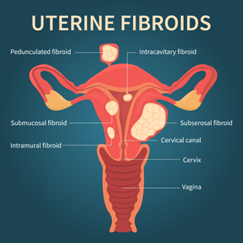 Fibroids are non-cancerous growths that develop in the muscular wall of the uterus. They can be as small as a seed or grow as large as a grapefruit. While they are not life-threatening, their impact on everyday life can be significant.
A simple way to understand fibroids is to think of them as blood-hungry hitchhikers. They draw heavily on your body’s blood supply to grow, and in doing so, they often cause troublesome symptoms. These may include heavy or prolonged periods, pelvic pain, bloating, frequent urination, and sometimes even difficulty with fertility. For many women, these symptoms are silently endured for years, often dismissed as “normal”. But they are not something you simply have to live with.
The Old Way vs. The Modern Way
Until recently, the most common treatments for fibroids involved major surgery. Procedures such as hysterectomy, where the uterus is removed, or myomectomy, where individual fibroids are cut out, were considered standard care. While effective, these surgeries require general anaesthesia, hospital stays, and weeks of recovery. For many women, the idea of surgery itself becomes a barrier to seeking treatment.
Now, there is a modern alternative that is changing the way fibroids are treated[1]—Uterine Fibroid Embolisation (UFE). This minimally invasive procedure offers effective relief without the need for major surgery and has been shown to improve symptoms.
How Does UFE Work?
UFE is performed by a specialist known as an interventional radiologist, who uses advanced imaging to guide treatment from within the body[2]. Instead of removing fibroids, the approach focuses on stopping their growth at the source.
The procedure begins with a tiny nick in the wrist or groin. Through this small entry point, a thin, flexible tube is gently guided through the blood vessels using real-time imaging. They carefully navigate this tube to the arteries that supply blood to the fibroids.
Once in place, microscopic particles are introduced into these vessels. These particles act like a targeted roadblock, cutting off the blood supply to the fibroids. Without oxygen and nutrients, the fibroids gradually shrink and soften over time. As they reduce in size, the symptoms they cause begin to fade, often significantly improving quality of life.
Why More Women are Choosing the Pinhole Approach
One of the biggest reasons women are turning to UFE is its simplicity and minimal disruption. Unlike surgery, this procedure does not involve large incisions or stitches. The tiny entry point means there are no visible scars, which is reassuring for many patients.
Another major advantage is that the uterus is preserved. For women who wish to retain their uterus, whether for personal or reproductive reasons, this is an important consideration. The procedure also avoids general anaesthesia. Patients remain awake but relaxed, which reduces risks and eliminates the grogginess often associated with heavier anaesthesia.
Recovery is another key benefit. While traditional surgery can require several weeks of downtime, UFE is usually performed as a day-care procedure. Most women are able to return to their normal routine within a few days, making it a practical option for those balancing work, family, and daily responsibilities.
Take Back Control of Your Life
Modern medicine is no longer just about treating disease—it is about restoring comfort, confidence, and control. Living with fibroids does not have to mean adjusting your life around pain or inconvenience. You do not have to plan your days around your cycle or silently tolerate symptoms that disrupt your wellbeing.
Uterine Fibroid Embolisation (UFE) offers a way forward that is less invasive, highly effective, and designed around your lifestyle. For many women, it marks the beginning of a life no longer dictated by heavy periods or constant discomfort.
If fibroids have been holding you back, it may be time to explore a solution that helps you move forward—comfortably, confidently, and on your own terms.
Dr. Sathya Narayanan R[3]
Consultant Diagnostic and Interventional Radiology
Kauvery Hospital – Chennai[4]
Frequently Asked Questions About Fibroid Treatment
What is Uterine Fibroid Embolisation (UFE)?
Uterine Fibroid Embolisation (UFE) is a minimally invasive procedure used to treat fibroids by blocking their blood supply. This causes the fibroids to shrink over time, relieving symptoms without the need for surgery.
Is UFE a safe procedure?
Yes, UFE is considered a safe and effective treatment for fibroids when performed by a qualified interventional radiologist. It has fewer risks compared to traditional surgical options like hysterectomy.
How long does it take to recover after UFE?
Most women recover within a few days after UFE. Since it is a day-care procedure, patients can usually return to their normal activities much faster than with surgical treatments.
Will fibroids completely disappear after UFE?
Fibroids typically shrink significantly after UFE, which helps reduce symptoms. While they may not completely disappear, the improvement in quality of life is often substantial.
Does UFE affect fertility?
UFE preserves the uterus, but its impact on fertility can vary. Women planning pregnancy should consult their doctor to determine if UFE is the right option for them.
Is the procedure painful?
UFE is performed under local anaesthesia with sedation, so patients remain comfortable during the procedure. Some cramping may occur afterward, but it is usually manageable with medication.
Kauvery Hospital is globally known for its multidisciplinary services at all its Centers of Excellence, and for its comprehensive, Avant-Grade technology, especially in diagnostics and remedial care in heart diseases, transplantation, vascular and neurosciences medicine. Located in the heart of Trichy (Tennur, Royal Road and Alexandria Road (Cantonment), Chennai (Alwarpet, Radial Road & Vadapalani), Hosur, Salem, Tirunelveli and Bengaluru, the hospital also renders adult and paediatric trauma care.
Chennai Alwarpet – 044 4000 6000 • Chennai Radial Road – 044 6111 6111 • Chennai Vadapalani – 044 4000 6000 • Trichy – Cantonment – 0431 4077777 • Trichy – Heartcity – 0431 4077777 • Trichy – Tennur – 0431 4022555 • Maa Kauvery Trichy – 0431 4077777 • Kauvery Cancer Institute, Trichy – 0431 4077777 • Hosur – 04344 272727 • Salem – 0427 2677777 • Tirunelveli – 0462 4006000 • Bengaluru – 080 6801 68011
- Now, there is a modern alternative that is changing the way fibroids are treated: https://www.kauveryhospital.com/kauvery-fibroid-clinic/
- UFE is performed by a specialist known as an interventional radiologist, who uses advanced imaging to guide treatment from within the body: https://www.kauveryhospital.com/centers-of-excellence-and-specialties/center-for-advanced-diagnostic-and-interventional-radiology-doctors/chennai/
- Dr. Sathya Narayanan R: https://www.kauveryhospital.com/doctors/chennai/radiology/dr-sathya-narayanan-r/
- Kauvery Hospital – Chennai: https://www.kauveryhospital.com/our-locations/chennai-radial-road/
Source URL: https://www.kauveryhospital.com/blog/radiology/the-pinhole-revolution-shrinking-fibroids-without-surgery/