A Case Report
Introduction:
Tumours involving the upper cervical spine are uncommon and present unique anaesthetic considerations. Any movement of the neck during airway manipulation may worsen spinal cord compression, and fluctuations in blood pressure can compromise spinal cord perfusion. Anaesthetic techniques that provide stable haemodynamics, excellent intubating conditions, and rapid recovery are therefore desirable. Short-acting opioids such as remifentanil and non-depolarising neuromuscular blocking agents like rocuronium, particularly when used as an infusion with reliable reversal, are well suited for such procedures.
Case Presentation:
A 50-year-old male, known to have type 2 diabetes mellitus and hypertension, presented with neck pain and gradually progressive weakness of the right upper limb. Neurological examination revealed reduced power of 4/5 in the right upper limb, with no other focal deficits. Magnetic resonance imaging of the cervical spine demonstrated a schwannoma at the C1–C2 level, and surgical excision was planned. Pre-anaesthetic evaluation classified the patient as ASA physical status II, with a Mallampati grade III airway. Baseline vital signs and laboratory investigations were within acceptable limits, and blood glucose levels were optimised prior to surgery.
Anaesthetic Management:
After instituting standard monitoring, the patient was pre-oxygenated with 100% oxygen. Anaesthesia was induced with intravenous remifentanil given as a bolus of 0.5–1 µg/kg followed by an infusion at 0.05–0.2 µg/kg/min, along with propofol at a dose of 1.5–2 mg/kg titrated to loss of consciousness. Neuromuscular blockade was achieved with rocuronium 0.6–1 mg/kg to facilitate endotracheal intubation. Tracheal intubation was performed using a video laryngoscope while maintaining the cervical spine in a neutral position, and the procedure was smooth and atraumatic.
Anaesthesia was maintained with an oxygen–air mixture and sevoflurane at a minimum alveolar concentration of 0.8–1.0. Analgesia was continued with remifentanil infusion at 0.05-0.1 µg/kg/min and neuromuscular blockade was maintained using a rocuronium infusion at 5–10 µg/kg/min, titrated to neuromuscular monitoring. Controlled ventilation was used to maintain normocapnia throughout the surgery.
Intra-operative Course:
The intra-operative period remained stable, with no significant fluctuations in heart rate or blood pressure. The estimated blood loss was approximately 500 ml and was managed appropriately with intravenous fluids. No intra-operative complications were encountered.
Emergence and Post-operative Course:
At the end of the procedure, sevoflurane and remifentanil infusion were discontinued. After confirmation of moderate neuromuscular blockade, reversal was achieved using sugammadex at a dose of 2 mg/kg. The patient was extubated awake with intact airway reflexes. Post-operative neurological assessment showed no worsening of the pre-existing right upper limb weakness. The post-operative period was uneventful.
Advantages of Remifentanil in this Case:
Remifentanil was advantageous due to,
- Excellent hemodynamic stability during induction and intubation
- Ultra-short context-sensitive half-time enabling rapid emergence
- Facilitation of early neurological assessment
- MAC-sparing effect when used with sevoflurane
- Ideal opioid for neurosurgical procedures requiring tight BP control
Advantages of Rocuronium Infusion in this Case:
Rocuronium administered as infusion offered,
- Stable and predictable neuromuscular blockade during prolonged surgery
- Avoidance of repeated bolus dosing and fluctuations in muscle relaxation
- Minimal cervical spine movement due to excellent intubating conditions
- Rapid and complete reversal with sugammadex
- Reduced risk of residual neuromuscular blockade post-operatively
Discussion:
The primary anaesthetic goals in upper cervical spine tumour surgery are to prevent further neurological injury, maintain spinal cord perfusion, and allow early neurological assessment after surgery. Remifentanil provided excellent control of sympathetic responses and allowed rapid emergence due to its ultra-short context-sensitive half-time. Rocuronium, administered as a continuous infusion, ensured stable and predictable neuromuscular blockade during the prolonged procedure and allowed rapid and complete reversal with sugammadex, thereby minimising the risk of residual paralysis. Sevoflurane contributed to haemodynamic stability and smooth recovery.
Conclusion:
Remifentanil–Rocuronium-based general anaesthesia technique ensured stable hemodynamics, safe airway management with cervical spine precautions, rapid recovery, and early neurological assessment in a patient undergoing C1–C2 schwannoma excision.
Reference:
1.Hergenroeder L, King C, Kohli A. Anesthetic management and considerations during surgical dissection of a schwannoma causing severe cervical spinal canal stenosis and vertebral artery compression. Cureus. 2024;16(10):e72307.
2.Lee S, Ro YJ, Koh WU, et al. The neuromuscular effects of rocuronium under sevoflurane–remifentanil or propofol–remifentanil anesthesia: a randomized clinical comparative study. BMC Anesthesiol. 2016;16:65.
3.Deguchi M, Kamibayashi T, Yamada Y. Remifentanil-based anesthesia provides rapid recovery and stable hemodynamics in neurosurgical patients. J Neurosurg Anesthesiol. 2010;22(1):38–43.
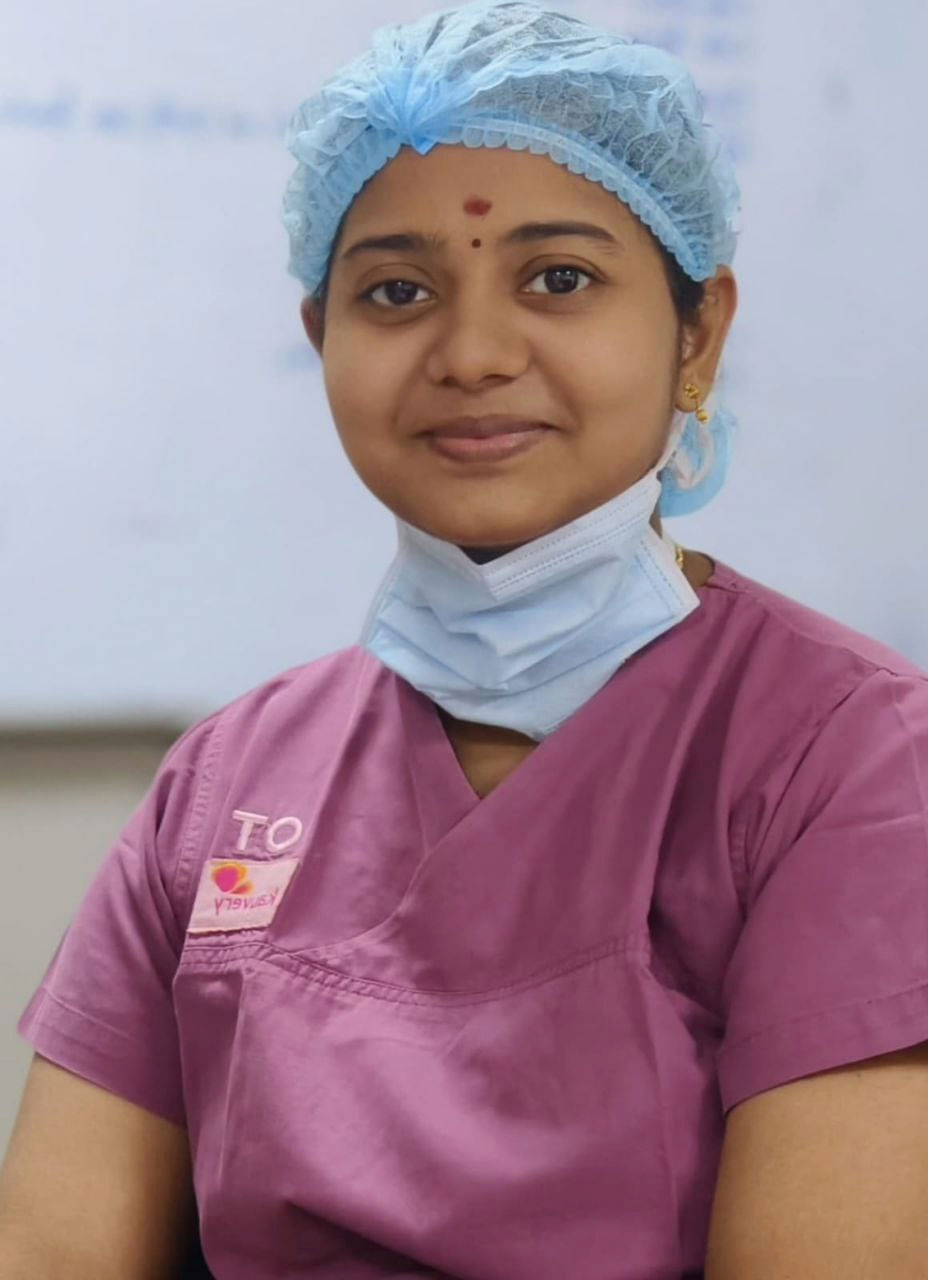
Dr Moushiga Subhashini,
3rd Year DNB Postgraduate, Anaesthesiology,
Kauvery Hospital, Chennai.[1]

Dr Jamila Khatoon,
Senior Resident, Anaesthesiology,
Kauvery Hospital, Chennai.[1]