
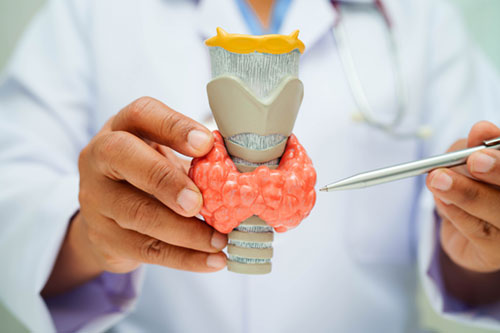
The thyroid is one of the most important yet often overlooked glands in the body. Located in the front of the neck, this butterfly-shaped gland regulates metabolism, growth, and energy levels. While most thyroid conditions are benign, thyroid cancer is becoming increasingly common and deserves our attention.
Why Thyroid Cancer Matters
Thyroid cancer is the most common endocrine cancer, and its incidence is steadily rising worldwide. Fortunately, most types (especially papillary thyroid carcinoma) are highly treatable when diagnosed early. The key lies in awareness — spotting symptoms early and seeking timely medical advice.
Spotting the Warning Signs
Thyroid cancer may remain silent for months, but early symptoms can include:
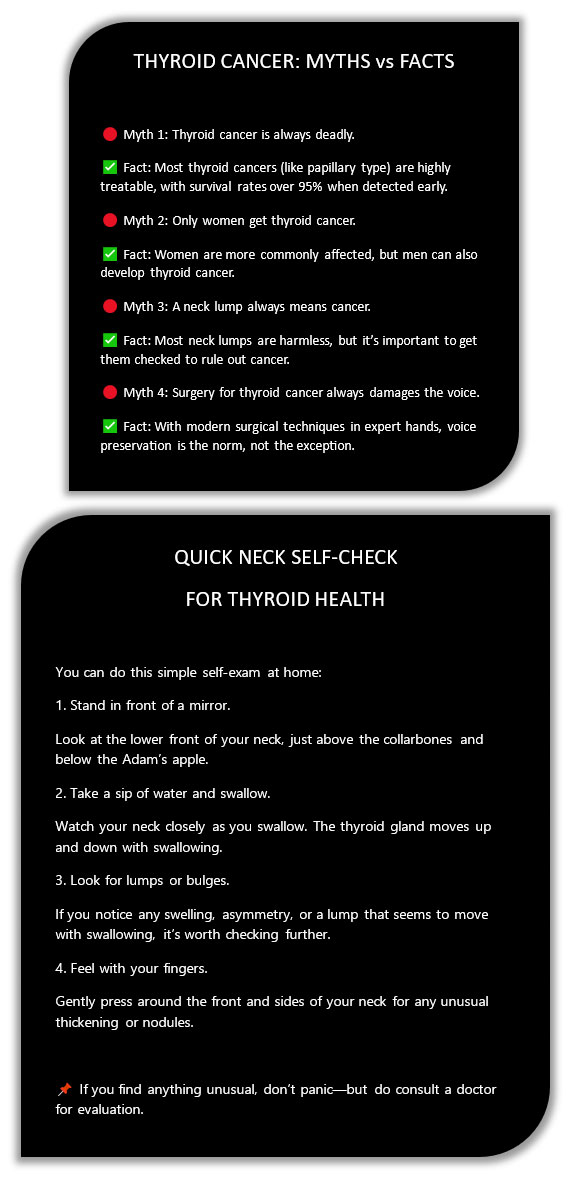
- A painless lump or swelling in the neck
- Hoarseness or voice changes
- Difficulty swallowing or breathing
- Persistent cough not linked to a cold
- Neck pain radiating to the ears
These symptoms do not always mean cancer, but they should never be ignored.
How Doctors Diagnose Thyroid Cancer
If a thyroid lump is detected, doctors use several tools to evaluate it:
- Ultrasound Scan – Provides detailed images of the thyroid gland and any nodules.
- Fine Needle Aspiration Cytology (FNAC) – A quick and safe test where a thin needle takes a sample of thyroid cells for microscopic analysis.
- Blood Tests – This includes thyroid hormone levels, which may give supportive information.
- Advanced Scans – Scans like CT, MRI, or PET are used in select cases to assess spread.
These methods help in early and accurate diagnosis, guiding treatment decisions.
Types of Thyroid Cancer
There are four main types:
- Papillary Thyroid Cancer – The most common and usually slow-growing type, with excellent outcomes.
- Follicular Thyroid Cancer – Less common, but also highly treatable.
- Medullary Thyroid Cancer – A rarer form, sometimes linked to family history and genetics.
- Anaplastic Thyroid Cancer – Very rare but aggressive, requiring urgent treatment.
Most patients are diagnosed with the first two types, which carry a very good prognosis.
Treatment and Hope
The good news is that with early detection and proper treatment, thyroid cancer outcomes are excellent. Surgery remains the mainstay of treatment, often followed by radioactive iodine therapy in selected cases. Lifelong monitoring ensures continued good health.
Final Word
Thyroid cancer is not a disease to be feared, but one to be respected with vigilance. Awareness, early detection, and expert treatment are the keys to recovery.
“Don’t ignore what your neck is telling you — check, consult, and conquer thyroid cancer.”


Dr. Kingston S
Consultant ENT & Head-Neck Surgeon,
Kauvery Hospital, Chennai