
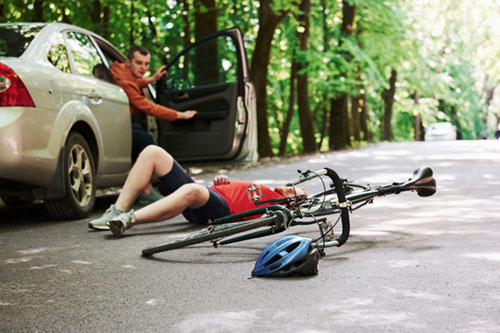
Every year, on the third Sunday of November, the global community observes the World Day of Remembrance for Road Traffic Victims, a day to honour those who lost their lives or were seriously injured on the roads, and to recognise the emergency responders, healthcare teams, families and communities affected. For those of us working in emergency medicine in Chennai, this is more than a symbolic date; it is a reminder of how many lives we touch, how many losses we witness, and how many opportunities there are for prevention.
The Magnitude of the Problem
Globally, road-traffic crashes remain a major public health issue, causing over 1.3 million deaths each year and affecting millions more with life-changing injuries. As an emergency physician, I see the human side of that statistic: The 20-, 30-, 40-year-old whose life twists in a moment, the family that is left behind & the cost of rehabilitation.
Here in Chennai, Tamil Nadu, the numbers are sobering — yet there are encouraging signs of improvement. For example:
- In the first quarter (Jan–Mar) of 2025, Tamil Nadu recorded 4,136 road fatalities, down from 4,864 in the same period in 2024 — a 15% reduction. (The Times of India)
- In Chennai city, the Greater Chennai Traffic Police (GCTP) reported 149 fatal deaths on city roads by 25 April 2025 vs. 173 in the same period last year — a reduction of 14%. (Daily Thanthi)
- From January 1 to August 3, 2025, Chennai city recorded 278 fatalities vs. 316 in the same period in 2024 — a drop of 12%. (Daily Thanthi)
- In 2023, Chennai district recorded 3,642 crashes (the highest among districts) though fatalities (504) were comparatively lower, likely due to better emergency response. (Daily Thanthi)
What this tells us: While progress is being made in reducing fatalities, the burden remains high. Every death, every life-altering injury is a tragedy, and many are preventable.
Our Experience in the Emergency Department
In the emergency department, we treat trauma after road-traffic collisions: head injuries, multiple fractures, internal bleeding, spinal injuries, pedestrian versus motor-vehicle accidents, two-wheeler crashes, helmet-less riders, drunk driving, distracted driving, night-time collisions, etc. Each case brings the same urgent need: rapid assessment, stabilisation, surgical intervention, ICU care and rehabilitation. But we also see the ripple effects, which include families, livelihoods and long-term disability.
From the moment the call comes in, the “golden hour” matters: rapid transport, correct triage and trauma team activation. The fact that Tamil Nadu reports thousands of victims rescued within this critical hour (e.g., 2,551 in Q1 2025) is encouraging. (The Times of India). Yet, prevention remains the far more effective strategy.
Key Causes and Preventive Opportunities
In my view, the earliest interventions matter most. Based on what we routinely see, root causes include:
- Speeding and Reckless Driving — High velocity increases crash severity and reduces survival chances.
- Drunk Driving/Impaired Driving — Diminished reaction time, impaired judgment.
- Non-Use of Protective Gear — Helmets for two-wheelers, seatbelts in cars; in India a significant proportion of deaths involve riders/occupants without them.
- Distracted Driving/Mobile Phone Use — A growing issue with smartphones and navigation devices.
- Poor Road Infrastructure and Hazardous Zones — Black spots, inadequate signage, lighting and lane discipline. The analysis in TN shows high fatality zones often on highways despite fewer crashes.
- Delayed or Inadequate Emergency Response — While improving, gaps remain in rural/remote areas.
- Pedestrian and Two-Wheeler Vulnerability — In Chennai, a large share of pedestrian deaths occurs from speeding two-wheelers, even on footpaths. As an emergency physician, I believe we must advocate for prevention as strongly as we prepare for response.
On this World Day of Remembrance, we highlight the following actions taken by our hospital to reach out into the community:
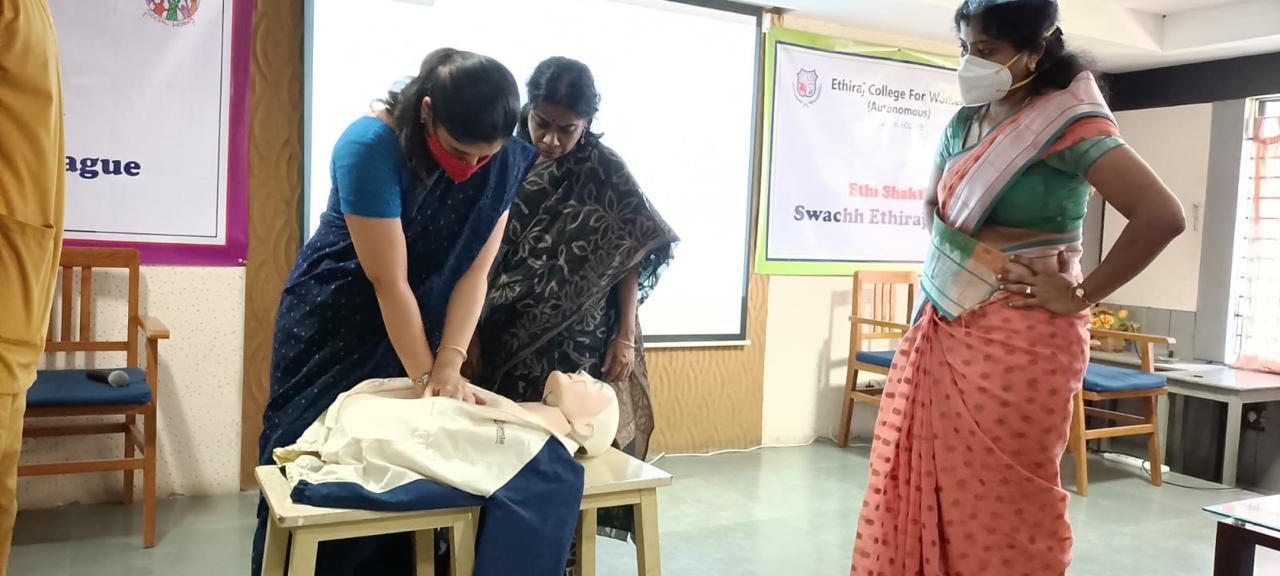
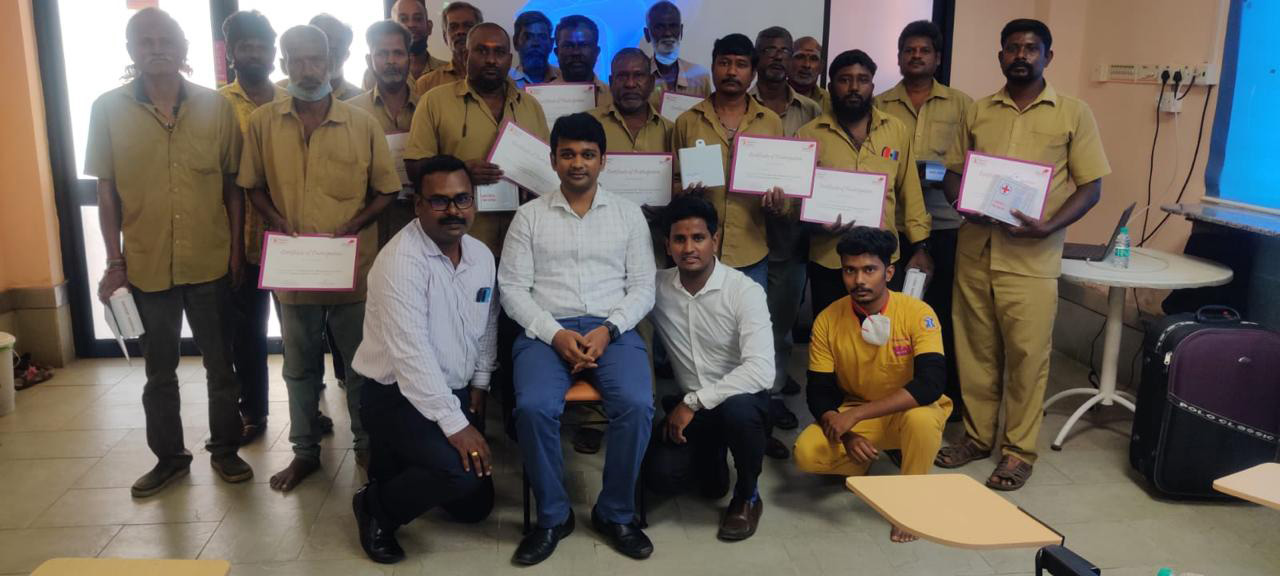
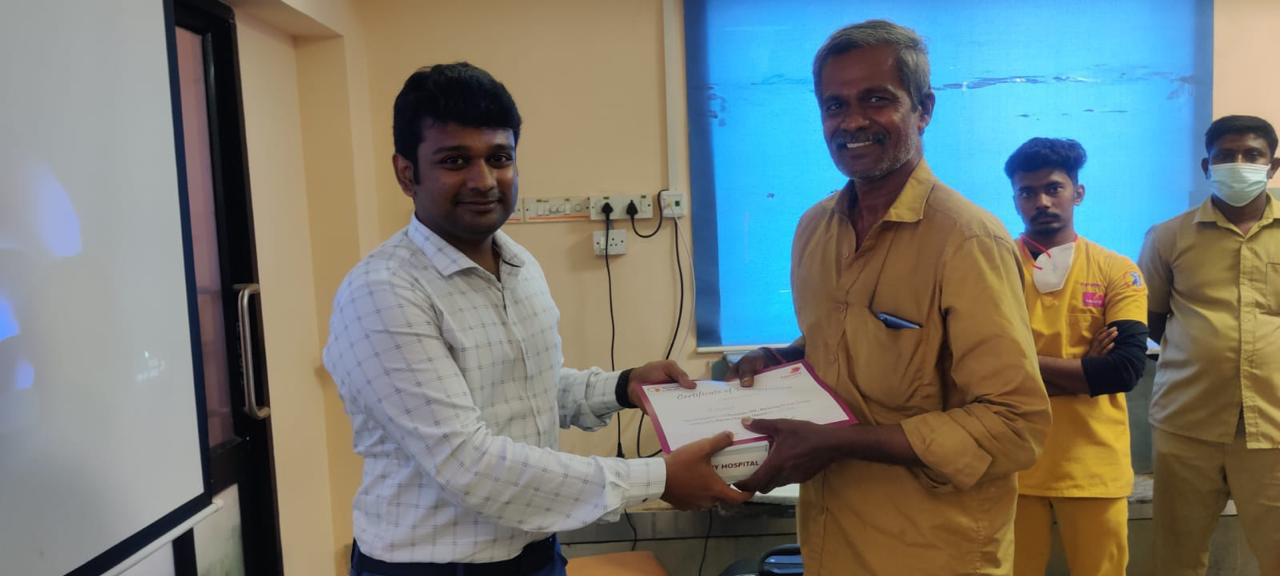
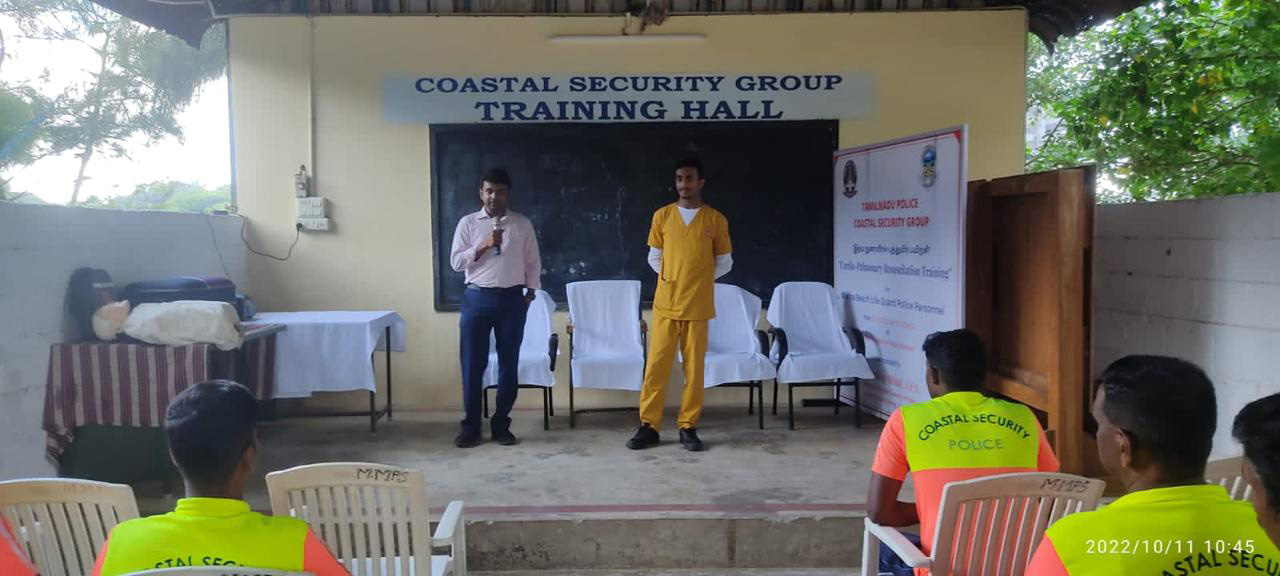
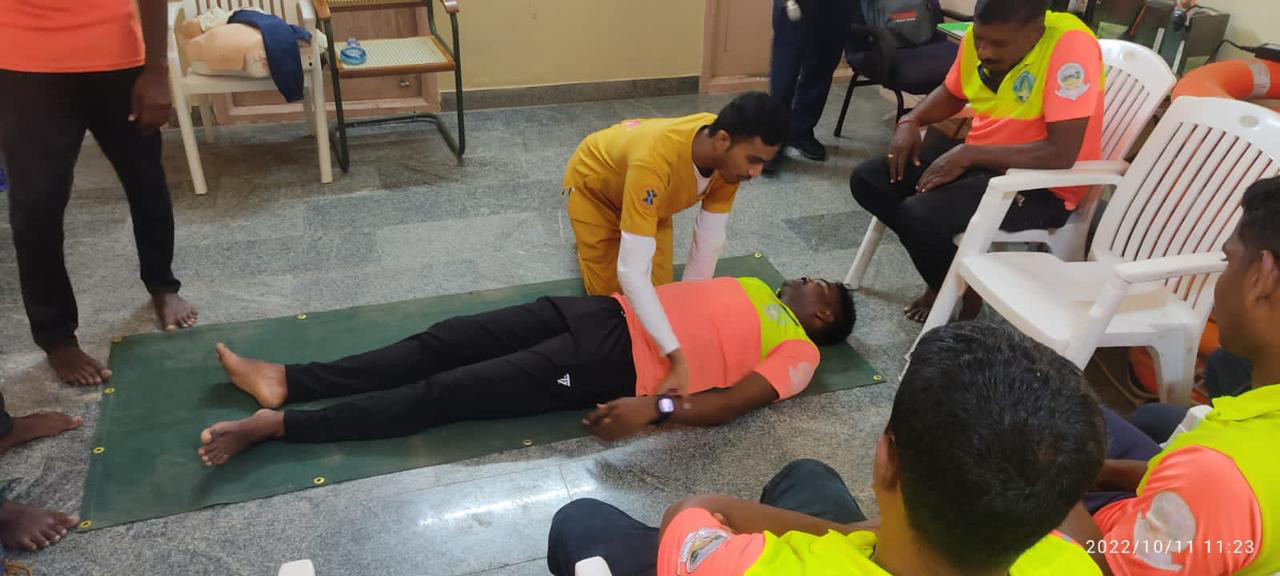
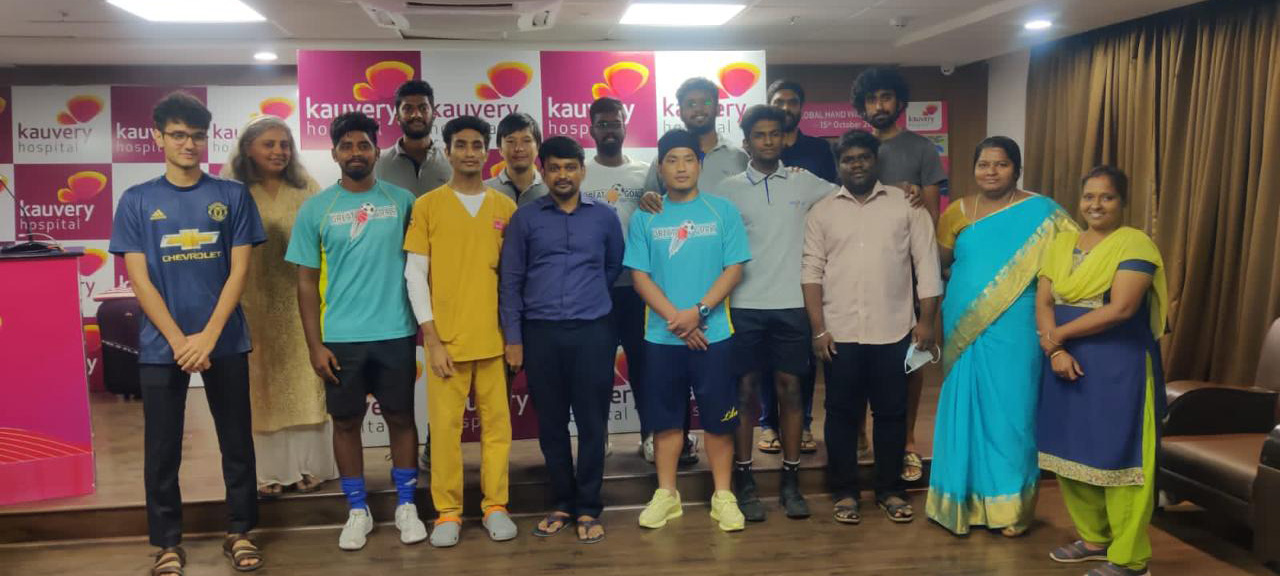
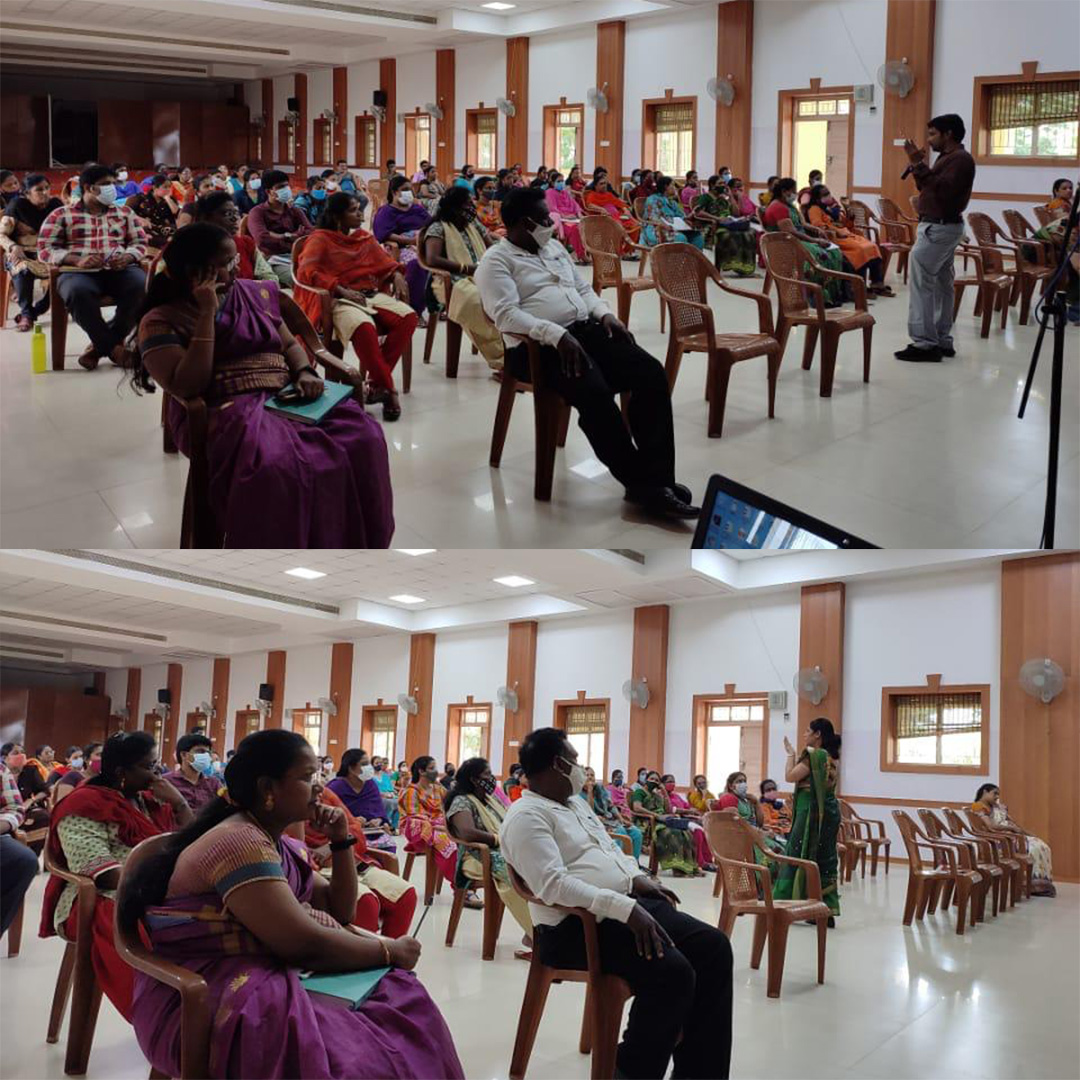
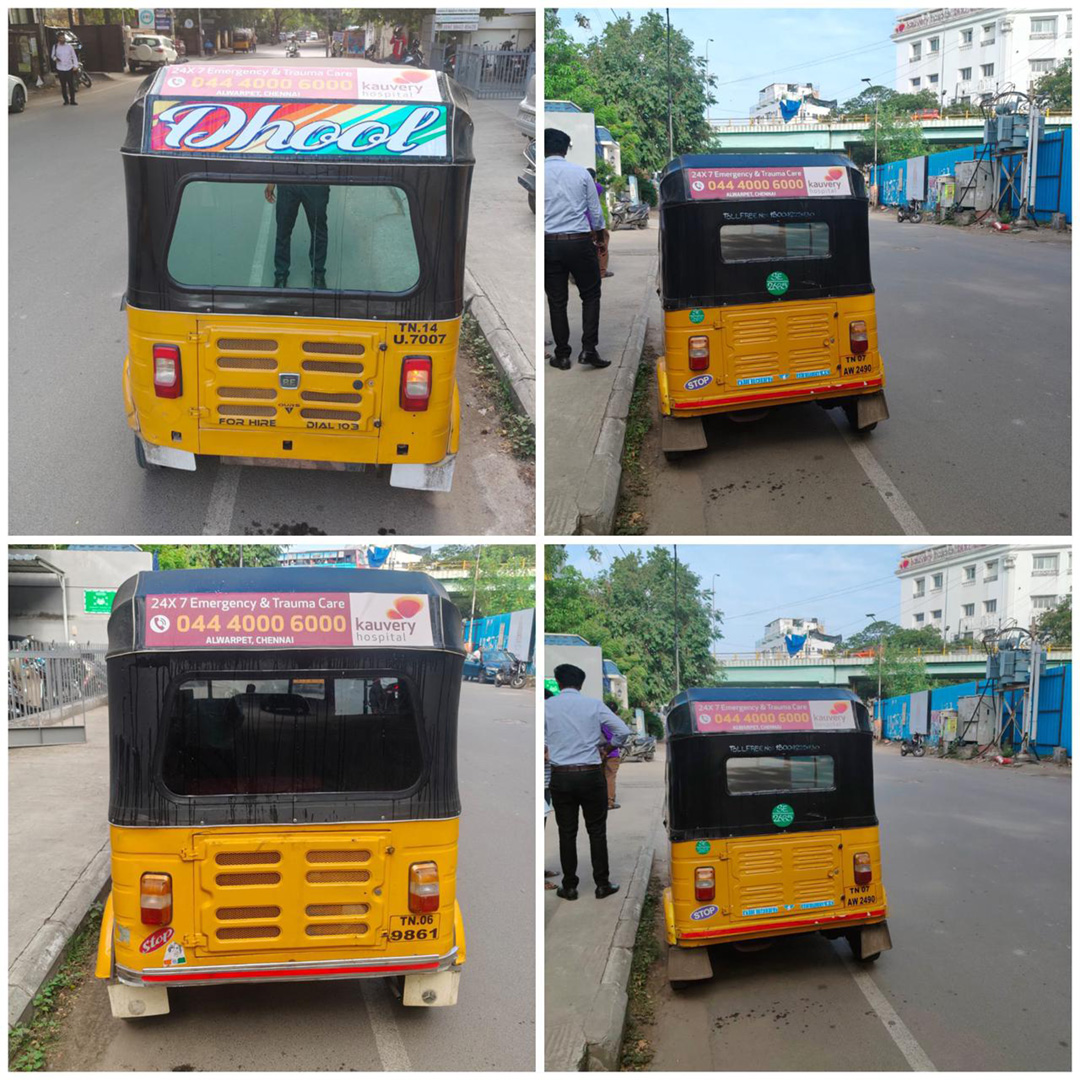
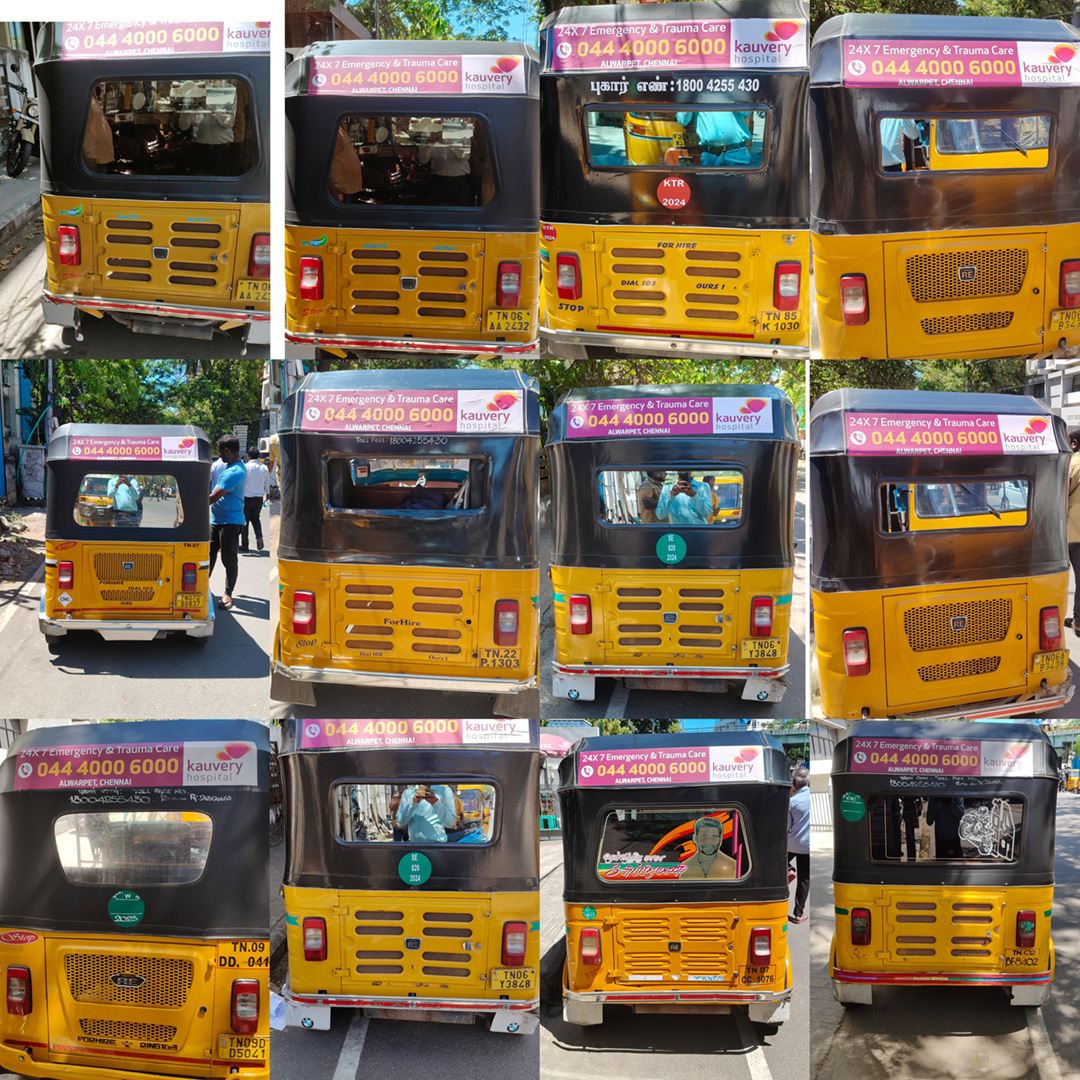
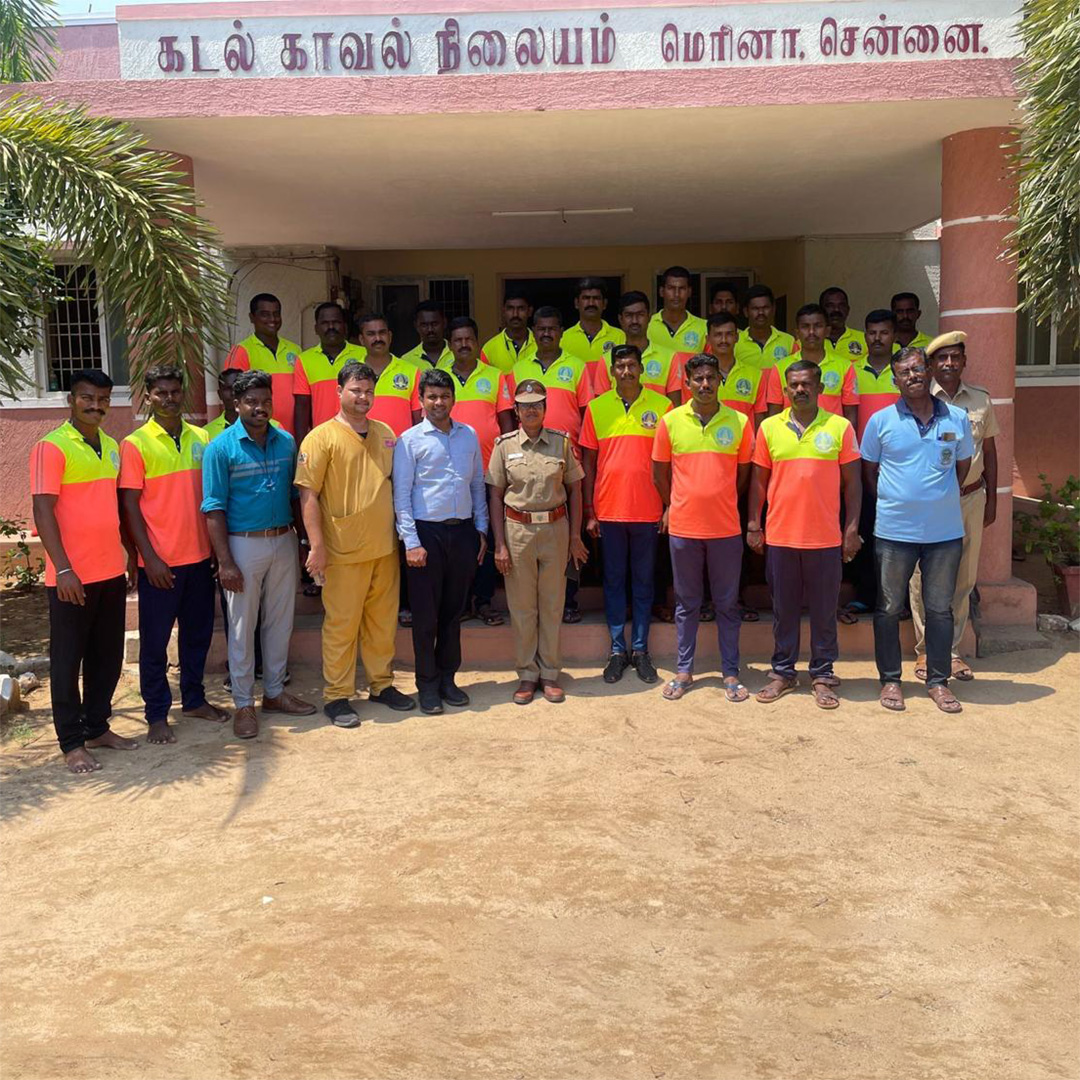
- Hospital Outreach Programmes: Hosting a symposium by inviting traffic police, paramedics, trauma surgeons, rehabilitation specialists, and survivors of road injury to share insights. This is done by our emergency medicine department with the help of the marketing team to reach out to our communities.
- Public Education Campaigns: Using our hospital blog, social media, waiting-area screens to publish short videos/tips: helmet use, seatbelt reminders, mobile-free driving and responsible driving after alcohol. It is done by our branding and innovations team.
- First-Responder Training: Partnering with local neighbourhood groups and auto-rickshaw drivers to provide basic life support (BLS) training and what to do when encountering a crash (control bleeding, immobilise patient and call the fastest transport). This is done by our emergency physicians trained in the American Heart Association’s BLS, ACLS programmes.
- Data Monitoring and Feedback: We have an in-hospital registry of road-trauma admissions and outcomes to analyse trends in type of injury, time to arrival and outcome, & feed that data to local traffic authorities. This is done by our entire back-end team liaising with the local authorities.
- Advocate Infrastructure Fixes: Working with city traffic authorities to identify black-spots, poor lighting and dangerous crossings near our catchment area; utilise hospital’s trauma data to support requests for improvements. This is done by our back-end team liaising with the local authorities.
- Support for Victims and Families: Setting up a trauma support group in the hospital for road-accident survivors and their families by our PALS team, addressing physical rehab, psychological support and reintegration into work.
Closing Reflections
For me, the World Day of Remembrance is not just a date on the calendar; it’s a commitment. As an emergency physician in Chennai, I see the immediate aftermath; but what I truly hope for, more passionately, is the day when fewer of us are called into the trauma bay because of preventable crashes.
Let us honour the memory of those lost on our roads by doubling our efforts in prevention, response, rehabilitation and advocacy. Let us build a culture in our city where safe roads, safe vehicles, and safe behaviours are the norm, not the exception. For every patient we save, every family we spare trauma, every life we help restore – that is the future we fight for.

Dr. Karunakaran Vetri,
Consultant Emergency Physician,
Kauvery Hospital, Chennai