
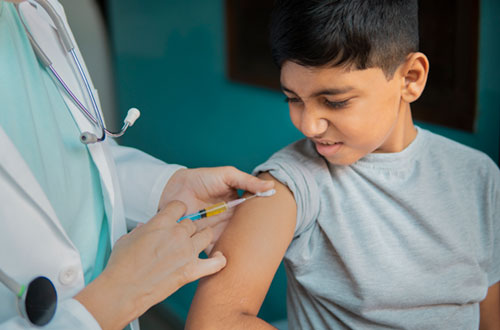
Every Child and Teen Counts — Beyond Diagnosis, Toward Health, Protection, and Inclusion
Every child and teen has the right to the highest attainable standard of health and well-being. Achieving this depends on our collective effort to build safe, inclusive environments, ensure access to healthcare and education, and provide equal opportunities for all children and adolescents to grow and participate fully in life.
Children and adolescents with developmental disabilities often face additional barriers — stigma, social exclusion, financial challenges, and gaps in healthcare access. These challenges increase their risk of poor health outcomes and leave many with unmet medical needs.
True inclusion is more than awareness; it is about ensuring equal access to healthcare, including timely and adequate vaccination.
Children with developmental disabilities may have feeding challenges, sensory sensitivities, or restrictive diets, which can lead to nutritional deficiencies affecting immune health.
Deficiencies in vitamin D, vitamin B12, iron, zinc, folate, iodine, calcium, and omega-3 fatty acids, for example, can compromise growth, cognitive development, and resistance to infections.
Vaccination, combined with attention to nutrition, is therefore essential to safeguard overall health and development.
A 2019 WHO–UNICEF global report estimated that over 317 million children and young people live with conditions contributing to developmental disabilities.
These children remain at risk of being left behind when healthcare systems are not fully inclusive.
Adolescents: Often Overlooked
Adolescents with developmental disabilities are frequently missed in vaccination initiatives. Vaccines such as HPV, Tdap boosters, influenza, and the MR vaccine catch-up dose are just as important during teenage years as early childhood vaccines.
Adolescents who missed the MMR vaccine previously can receive a catch-up dose to ensure protection against rubella.
Regular follow-up ensures these young people continue to receive age-appropriate immunisations and stay protected into adulthood.
From Awareness to Action
Inclusion in health begins with small, consistent actions, and vaccination is one of the most practical and powerful.
- Consult Healthcare Providers: Review and update your child’s or teen’s vaccination schedule regularly, especially if any doses were delayed.
- Support Nutrition: Encourage a balanced diet and monitor essential vitamins, minerals, and fatty acids that influence immunity and development.
- Encourage Follow-Ups: Incorporate immunisation checks into therapy reviews or developmental assessments.
- Advocate for Inclusion: Promote policies and practices that ensure equitable access to vaccines and healthcare for all children and adolescents.
This World Immunisation Day, let us reaffirm:
“Immunisation for All Is Humanly Possible.”
Ensuring every child and adolescent receives vaccines is not just disease prevention; it is a commitment to equality and the right to thrive.

Dr. Naveena Karthik,
Developmental Behavioural Paediatrician,
Kauvery Hospital, Chennai