
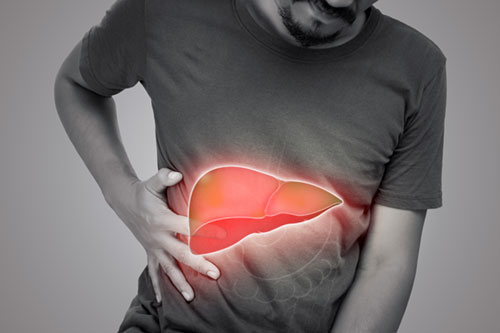
As a doctor working in the master health checkup OP, one of the most common findings in all USG reports across all patient demographics is the presence of “mild fatty liver” or “grade I fatty liver”.
In this article, let us attempt to break down what fatty liver is, how a diagnosis is made, causes, staging and finally the treatment.
Hepatic steatosis aka fatty liver is a condition where fat deposits in the cells of the liver abnormally. They are broadly classified into 2 types: alcoholic fatty liver disease and metabolic dysfunction-associated fatty liver disease (MAFLD).
While the staging of both types is similar, the causes vary.
To be categorised as alcoholic fatty liver, there needs to be considerable alcohol abuse involved. (21 drinks per week for men and 14 drinks per week for women.)
MAFLD was earlier called NAFLD or “non-alcoholic fatty liver disease”, but was changed a few years back to MAFLD or “metabolic-dysfunction associated fatty liver disease” as our understanding of the condition improved.
Any fatty liver that doesn’t meet the threshold for alcohol abuse is classified as MAFLD. This may be due to obesity, diabetes, insulin resistance, dyslipidaemia (aka cholesterol) or other factors.
There are 4 stages to MAFLD:
- MAFL – metabolic associated fatty liver
- MASH – metabolic associated steatohepatitis
- MASH with fibrosis
- Liver cirrhosis
How Is Fatty Liver Identified?
Fatty liver generally doesn’t present with any patient complaints or symptoms, especially in the initial stages. Symptoms, if any, are usually non-specific abdominal pain. It is usually an incidental finding via an ultrasound scan of the abdomen. It is categorised into 3 grades (which are different from the stages of MAFLD) based on the brightness of the liver and the visibility of the internal structures of the liver.
It would do well to note that a regular USG (B-mode ultrasound) can only identify a fatty liver and a liver in cirrhosis but not steatohepatitis and early-stage fibrosis.
To understand the percentage of liver fibrosis, we use something called “fibroscan” or ultrasound elastography. This is usually done in patients with grade II fatty liver and above.
To conclusively understand the staging of fatty liver, liver biopsy is the gold standard, but is impractical and not regularly practised. The gold standard for non-invasive staging is an MRI of the abdomen, but this is also not regularly practised especially when USG gives grade I and liver function tests are not deranged.
In general, when we receive an ultrasound report showing fatty liver, we calculate the FNI (fibrotic NASH index) score based on HbA1C, HDL and AST to ascertain the need for further referral to a hepatologist/medical gastroenterologist or for more aggressive management. A score of less than 0.1 generally does not require further referral.
Further follow-up is via USG abdomen/LFT once a year to note disease progression or regression.
Treatment of NAFLD
The liver is a very versatile organ that is able to cope up well with stress. This is one of the reasons for liver function tests to be normal even in moderately advanced cases of fatty liver. It is possible to reverse the effects of MAFL and even MASH to bring the liver back to its original state.
The FDA has recently approved the use of Resmetirom for the treatment of non-cirrhotic fibrosis (stage III of MAFLD) of the liver, in conjunction with lifestyle and dietary changes. However, this is yet to be approved by the CDSCO in India.
For now, the mainstay of treatment remains lifestyle and dietary changes, even in advanced stages of the disease.
The recommended activity is brisk walking of at least 1 hour a day. Other activities such as cycling (preferred for patients with knee pain) or swimming (involves all parts of the body), are also equally effective.
For diet changes, high fructose corn syrups (seen in a lot of prepackaged “fruit” juices, candies, and soft drinks) are to be avoided.
In addition, fatty/deep fried/highly processed foods (such as chips, french fries and bread) are also to be avoided.
Especially in the case of obesity-related MAFLD, a calorie-deficient diet (500-600 calories deficiency) that contains sufficient protein and fiber would also be beneficial, both for regression of fatty liver and for weight reduction.
All types of alcohol in any quantity are also to be avoided. This is because alcohol metabolism is extremely taxing on the liver and any such additional stress needs to be avoided.
Overall, early detection and strict lifestyle modifications often stop MAFLD from progressing beyond MAFL (stage I) and even help in the restoration of the liver to a normal state.
A Few Frequently Asked Questions in the OP on MAFLD
- My cholesterol values are normal. Why am I having fatty liver?A: While dyslipidaemia (altered cholesterol values) is a risk factor for fatty liver, it is not the only cause. Factors such as obesity, insulin resistance, diabetes and even hypothyroidism are strong risk factors for fatty liver.
- I’m only 25 years old, so why do I already have fatty liver?A: A sedentary lifestyle, social habits, obesity and genetic predisposition are contributing factors for fatty liver.
- I’m thin, why do I have fatty liver?A: There is a specific subset called lean fatty liver, more common in the Asian population, which is when fatty liver is found in individuals who are not obese. Factors such as a high fructose diet, genetic predisposition and insulin resistance are more likely to be the cause rather than obesity in lean fatty liver.
- My liver function tests are normal. How do you say I have fatty liver?A: As explained earlier, the liver is capable of working well under pressure; hence, the liver function tests don’t become deranged until after significant disease progression.

Dr. Akaash Muthiah K. MBBS,
Medical Officer, Master Health Checkup,
Kauvery Hospital, Chennai