

In more ways than one, the ear, nose and throat form the gateways to our body. Many medical disorders have variable incidence rates according to one’s age, gender and geographical location. Sometimes, even occupation can predispose a person to a particular disease.
The month of March celebrates women. We believe that women must become aware of the various health issues that can affect their well-being and take good care of themselves to prevent and, if need be, manage those conditions. We are briefly going to see common ENT conditions more prevalent among females.
We generally see that sinus issues, voice disorders, diseases affecting swallowing, sleep-disordered breathing and dizziness are common in females.
Sinusitis and Nasal Allergy
Studies have reported that females have nearly double the incidence of sinusitis than men. It is possible that females have a lower QoL (quality of life) than men with the same objective disease. However, allergic rhinitis and nasal polyps are more common in men than women. The actual reasons for these gender differences have not been validated. Also, a considerable proportion of women with migraine headaches report having sinus headaches. Women need not be silent sufferers of chronic headaches. Simple treatment options are available depending on the cause of headaches. Most sinus issues can be treated with medications. Allergic rhinitis may need long-term anti-allergy treatment. Migraines can be brought under control with lifestyle modifications and some tablets.
Dizziness
In medical terminology, vertigo is an abnormal false sensation of spinning or rotation in the absence of any movement. Dizziness in women may be attributable to low blood pressure, vestibular migraine, positional vertigo, Meniere’s disease (inner ear disease), cervical spondylosis, hormonal fluctuations (pregnancy, menopause), anaemia, cardiac diseases and even certain medications. Disorders like benign paroxysmal positional vertigo, Meniere’s disease, labyrinthitis and postural perceptual dizziness are reported more in females. High levels of stress and hyperventilation can also give a sense of imbalance. Not all dizziness is vertigo, and hence a patient needs a proper balance assessment and treatment.
Hearing Disorders
One specific ear disorder known as otosclerosis has a predilection for the female gender. Commonly, it is diagnosed in young women of child-bearing age presenting with conductive hearing loss affecting both ears. There is a strong family history of hearing loss and in many women, the hearing typically worsens with pregnancy. Otosclerosis cannot be reversed or prevented. A simple micro-ear surgery can fix the problem, eliminating the need for a hearing aid.
Voice Disorders
Voice disorders have a much more common occurrence in the female gender. Voice strain, GERD, thyroid diseases, dehydration, smoking, alcohol consumption and stress are common aggravating factors. Benign lesions like vocal nodules, cysts and polyps are common in women. Neurogenic and psychogenic conditions can also occur. Symptoms of a hoarse or husky voice, voice strain and fatigue for a prolonged period should not be ignored. Most voice disorders can be managed with speech therapy, lifestyle modifications and medications. Occasionally, one may need a surgical procedure as a treatment option.
Other Throat and Neck Issues
Women can have swallowing-related throat issues. Sometimes, simple chronic anaemia can lead to persistent mucosal inflammation, Plummer Vinson syndrome, where there is formation of webs in the food pipe. Cancers of the voice box are more common in men, while cancers of the swallowing portion of the throat are more common in women. Other issues in the neck include swelling of the thyroid gland, salivary gland or lymph nodes. Thyroid swelling, popularly known as goiter is highly prevalent in Indian women. Not uncommonly, malignancies of the breast and ovary can also present as a neck lymph node.
Snoring and Sleep Apnea
Symptoms of snoring and sleep apnea may not always be prominent and typical like those in men. They can be quite often subtle, like morning headaches, extreme fatigability, depression and anxiety. They can often be confused with symptoms of menopause or hormonal imbalances. Main treatment options are increased physical activity, optimising weight, positioning and CPAP. Surgical options also play a vital role in the management of sleep apnea.
Women, being the lifeline of our households, need to take care of themselves for the greater good of themselves and their families.
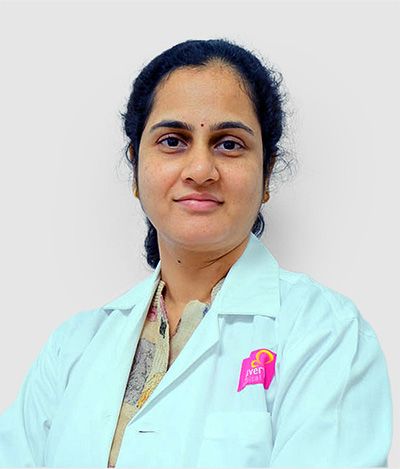
Dr. Preethi. P
Consultant ENT, Head and Neck Surgery,
Kauvery Hospital, Chennai