
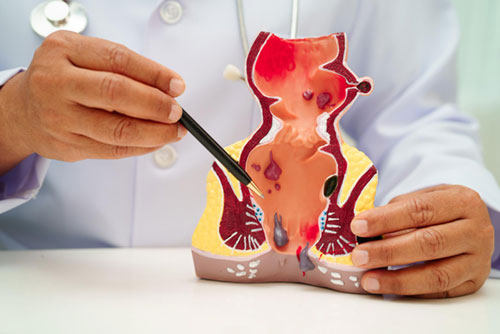
Perianal problems are among the most under-discussed health issues in women. Many women silently endure symptoms due to embarrassment, misconceptions, or fear of surgery. In reality, these conditions are common and highly treatable, and modern minimally invasive and laser techniques have transformed their management.
This Women’s Day, let us break the stigma and talk openly about perianal health.
This article highlights common perianal surgical problems in women and when to seek medical help.
1. Haemorrhoids (Piles)
What Are Haemorrhoids?
Haemorrhoids are swollen blood vessels in and around the anal canal. They may be internal (inside the rectum) or external (outside the anus).
Why Are Women at Higher Risk?
- Pregnancy and childbirth increase pelvic venous pressure
- Chronic constipation and straining
- Sedentary lifestyle and prolonged sitting
- Hormonal changes affecting bowel habits
Common Symptoms
- Bleeding during bowel movements
- Pain, itching, or swelling around the anus
- Tissue protruding during defecation
Modern Treatment Options
- Dietary modification and bowel habit correction
- Medications and topical therapies
- Office procedures such as rubber band ligation and sclerotherapy
- Laser haemorrhoidoplasty and surgery for advanced cases
2. Anal Fissure
What Is an Anal Fissure?
An anal fissure is a painful tear in the anal canal lining, often caused by passing hard stools.
Why Is Anal Fissure Common in Women?
- Constipation during pregnancy and the postpartum period
- Inadequate hydration and fibre intake
- Stress and irregular bowel habits
Symptoms
- Severe pain during and after bowel movements
- Bright red bleeding
- Spasm of anal muscles causing fear of defecation
Treatment
- Stool softeners, high-fibre diet, and hydration
- Medications to relax anal sphincter muscles
- Laser fissure therapy or minimally invasive surgery for chronic fissures
3. Anal Fistula
What Is an Anal Fistula?
An anal fistula is an abnormal tunnel between the anal canal and the skin, usually following a perianal abscess.
Causes in Women
- Previous perianal abscess
- Obstetric trauma (rare but important)
- Inflammatory bowel disease
- Previous anal surgeries
Symptoms
- Persistent pus or fluid discharge near the anus
- Recurrent pain or swelling
- Fever during acute infection
Treatment
- Surgery is usually required
- Modern sphincter-preserving procedures, such as laser fistula closure, LIFT procedure, and flap techniques, help maintain continence
4. Rectal Prolapse
What Is Rectal Prolapse?
Rectal prolapse occurs when part of the rectum protrudes through the anus.
Why Women Are More Affected
- Weak pelvic floor muscles
- Multiple vaginal deliveries
- Ageing and hormonal changes
- Chronic constipation and straining
Symptoms
- A mass protruding from the anus
- Difficulty controlling bowel movements
- Mucus discharge or bleeding
Treatment
- Pelvic floor strengthening and lifestyle measures in early stages
- Minimally invasive laparoscopic or perineal surgical correction for established prolapse
5. Perianal Abscess and Skin Tags
Perianal Abscess
A painful collection of pus near the anus due to infection. It requires urgent drainage and antibiotics to prevent fistula formation.
Anal Skin Tags
Small, harmless skin growths around the anus that may follow haemorrhoids or fissures. They can cause hygiene issues and can be removed if symptomatic.
Myths and Facts About Perianal Problems
Myth: Piles and fissures are only a problem of old age.
Fact: They are common in young women, especially during pregnancy and the postpartum period.
Myth: Surgery for anal problems is extremely painful and risky.
Fact: Modern laser and minimally invasive techniques offer faster recovery and minimal discomfort.
Myth: Anal bleeding is always due to piles.
Fact: Bleeding can also indicate fissures, infections, or (rarely) serious conditions. Medical evaluation is essential.
Myth: Talking about anal problems is embarrassing.
Fact: These are medical conditions—early consultation prevents complications.
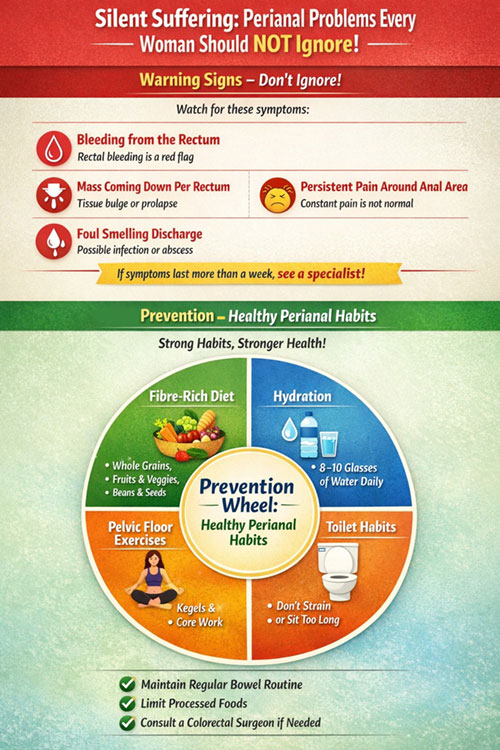
When Should Women Seek Medical Care?
- Persistent anal pain or bleeding
- Any lump, swelling, or discharge near the anus
- Difficulty controlling bowel movements
- Symptoms lasting more than a week despite home measures
Early evaluation by a colorectal or proctology specialist ensures accurate diagnosis and effective treatment.
Prevention and Healthy Bowel Habits
- Eat a high-fibre diet (fruits, vegetables, whole grains)
- Drink 2–3 litres of water daily
- Avoid prolonged sitting and straining in the toilet
- Exercise regularly and maintain a healthy body weight
- Address constipation early, especially during pregnancy and after childbirth
A Message for Women
Perianal problems are common, treatable, and nothing to be ashamed of. Timely medical care can prevent chronic pain, infections, and complications. Modern minimally invasive and laser treatments have made these conditions safer and easier to treat than ever before.
This Women’s Day, prioritise your perianal health—because comfort, dignity, and confidence matter.
This article is for general awareness and does not replace consultation with a qualified healthcare professional.

Dr Joyner Abraham
Consultant Minimal Access Surgeon & Laser Proctologist,
Kauvery Hospital, Chennai