
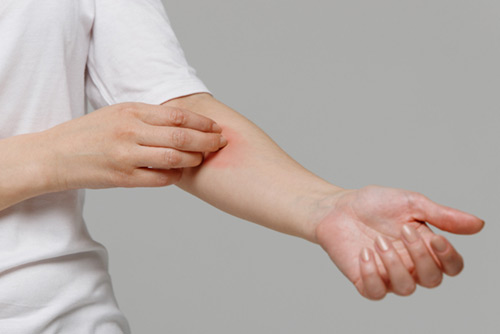
Contact dermatitis is a common, often chronic inflammatory skin condition which is generally caused by contact with irritants such as soaps, detergents and chemicals, or allergens such as nickel, poison ivy, etc., leading to red and itchy rashes; for some people, a stinging feeling is also a symptom.
It is generally managed by identifying and avoiding the trigger, which is the most important aspect, and later treating the condition using emollients (which are moisturisers) and also corticosteroid creams if necessary.
Types of Contact Dermatitis
Contact dermatitis is mainly divided into two types:
Irritant Contact Dermatitis: This is the most common type, which mainly occurs when a substance (such as soap, bleach, solvents or fertilisers) physically comes into contact with the skin. The symptoms generally occur within hours or days of exposure, and they include redness and rashes accompanied by itching, which may be severe. Some people may have a severe burning or stinging sensation. Blisters can also occur.
Allergic Contact Dermatitis: This generally occurs after the immune system develops a reaction to a specific substance, such as nickel, which is present in watches, jewellery and other accessories. Commonly, exposure to certain plants, flowers, fragrances, and hair dyes causes allergic contact dermatitis.
The symptoms are similar to irritant contact dermatitis but less severe. Patients may present with redness, rashes and/or itching. They may also have dry, cracked or flaky skin in the affected area.
Duration and Progression
The rash typically persists as long as the person is exposed to the substance. Once the substance or material is removed, the condition usually improves within days; sometimes it may take weeks.
Treatment
The primary treatment is avoiding exposure to the irritant or allergen. If exposure has happened, wash the affected area immediately and apply a moisturiser to the affected area. Oral antihistamines can be taken for symptomatic relief to reduce itching. If the condition persists, professional medical help must be sought for further management.

Dr. Ashiq Mohamed
Consultant Dermatologist,
Kauvery Hospital, Chennai