
Understanding Lutetium-177 PSMA Therapy for Prostate Cancer
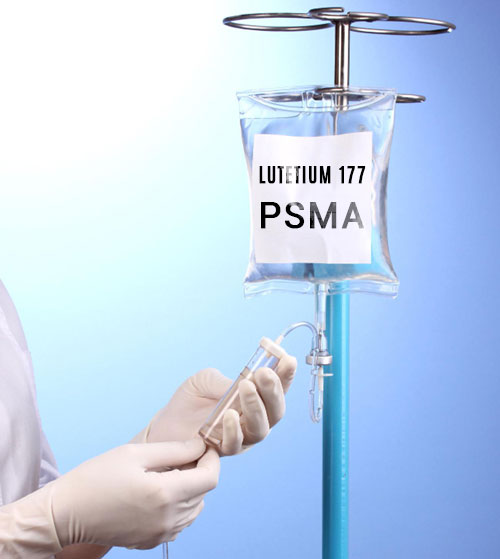
An encouraging trend is emerging in clinical practice: good control of cancer, with very few side effects and a good quality of life, using a treatment called Lutetium-177 PSMA therapy. This is exactly the balance every cancer treatment aims for. Here is a simple look at how it works and why it is such a different way of treating cancer.
What Is Nuclear Theranostics?
Most cancer treatments are given because they have worked well for that type of cancer in general. The doctor expects the drug to find and act on the cancer, based on experience with similar patients, but cannot see this happening in any one individual beforehand.
Theranostics works differently. Before any treatment is given, doctors first take a special scan that shows exactly where the cancer is in that specific patient’s body and whether the treatment is actually likely to reach it. Only then is the treatment given.
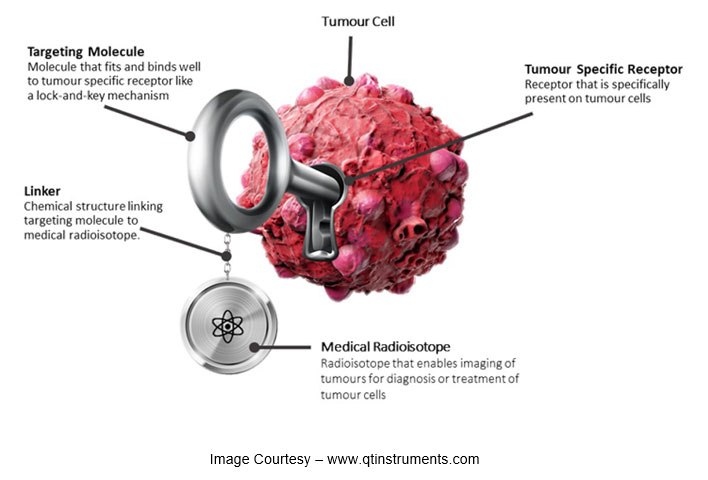
A simple way to picture this is a lock and key. Cancer cells carry a particular “lock” on their surface; a marker not normally found elsewhere in the body. Scientists have designed a matching “key” that fits this lock very precisely. This same key is used twice, in two slightly different forms:
-
First, as a Scan:
The key is attached to a tiny, safe amount of a tracer and injected into the body. Wherever it finds its matching lock, it lights up on a scan (called a PET/CT scan). This gives doctors a complete picture of exactly where the cancer is, all over the body.
-
Then, as Treatment:
If the scan shows that the cancer lights up clearly, the same key is attached instead to a small dose of radiation and given as treatment. It travels straight to the cancer cells, the very same places the scan already showed, and delivers radiation directly to them, while sparing most of the healthy tissue around them.
In short, the scan acts like a rehearsal. It proves the treatment will go to the right place before a single dose is actually given. This also means treatment is only offered to patients whose own scan shows they are likely to benefit; something most other cancer treatments cannot offer in advance. This approach is already well-established for certain neuroendocrine tumours and thyroid cancers, and is now being used successfully in prostate cancer, with research expanding into several other cancers as well.
Lock and Key Model in Theranostics
Why Prostate Cancer Cells Are a Good Match
In prostate cancer, the “lock” on the cancer cell is called PSMA. Prostate cancer cells carry far more PSMA on their surface than normal cells do, often hundreds of times more, and this tends to increase the more advanced the cancer becomes. This makes PSMA an unusually reliable and specific target, which is exactly what makes this treatment possible.
What the Treatment Involves
- A PSMA PET/CT scan first confirms that the cancer shows up clearly, all over the body, before treatment is planned.
- The treatment itself is given as a simple drip into a vein, usually once every 6 weeks, for about 4 to 6 sessions depending on how well the cancer responds.
- The radiation used travels only a very short distance, a few millimetres, so it acts mainly on the cancer cells themselves, with little effect on the healthy tissue nearby.
- Blood tests and scans are repeated between sessions to check how well the cancer is responding and to decide how many sessions are needed.
Who Can Benefit, and Side Effects
A large international study (the VISION trial) showed that this treatment helped patients with advanced prostate cancer live significantly longer, particularly when other treatments had stopped working well. It is approved for use in advanced prostate cancer, often after other treatments such as hormone therapy or chemotherapy, and is now increasingly being used earlier in the course of the disease as well.
Compared to chemotherapy, this treatment is generally very well-tolerated. Most patients experience only mild tiredness, a temporary dry mouth or dry eyes, occasional mild nausea, and sometimes a temporary dip in blood counts, which is monitored with simple blood tests during treatment.
The Takeaway
If you or someone you know has prostate cancer, it is worth asking your doctor whether a PSMA PET scan may be useful: it can help with staging, understanding the cancer better, and planning the right treatment. If the scan shows that the cancer will respond well to this approach, Lu-PSMA therapy (now approved and used worldwide) offers a treatment that is generally gentle on the body while still being highly effective.
Theranostics is no longer a treatment of the future; it is here today, already changing how cancer is treated, and continuing to evolve.
If you have questions about whether a PSMA PET/CT scan or Lu-177 PSMA therapy may be right for you or a loved one, please feel free to reach out to the nuclear medicine department.

Dr. Arvind Arokia Rajan
Consultant & Clinical Lead Nuclear Medicine, PET CT & Theranostics
Kauvery Hospital, Chennai
Happy Doctors’ Day!
Thank You for Turning Fear into Hope and Healing.
நான் கடந்த 2022 ஆம் ஆண்டில் புரோஸ்டேட் புற்றுநோயினால் பாதிக்கப்பட்டேன். கீமோ உள்ளிட்ட பல்வேறு சிகிச்சைகளினால் நோயின் தீவிரத்திலிருந்து மீண்டு வந்தேன். தொடர் மருத்துவ சிகிச்சை பெற்று வந்தேன். PSA அளவு 18-க்கும் கீழ் குறைந்துவிட்டது.
இந்நிலையில் கடந்த 2025 ஆம் ஆண்டு எனது இடது கால் வீக்கம் வரத் தொடங்கியது. மருத்துவரிடம் காண்பித்ததற்கு இரண்டாம் முறை கீமோதெரபி கொடுக்க சொன்னார். அதிலும் எவ்வகையான முன்னேற்றமும் இல்லை. பின்னர் விலையுயர்ந்த மாத்திரைகள் கொடுத்தார்கள். அதனால் தினமும் வாந்தி ஏற்பட்டு எனது உடல் எடை 14 கிலோ குறைந்து விட்டது. பின்னர் எனது ஆண்குறி, விதைப்பை ஆகியனவும் வீங்கி என்னால் நடக்க முடியாமல் போய்விட்டது. சாப்பாட்டை கண்டாலே பிடிக்காது. சுருக்கமாக சொன்னால் நான் வாழ்க்கையின் இறுதி கட்டத்திற்கு வந்துவிட்டேன். PSA 950 மேல் சென்றுவிட்டது.
இந்நிலையில் டாக்டர் அருண்ராஜ் முயற்சியின் பேரில் சென்னை காவேரி மருத்துவமனையில் டாக்டர் ஜாய்னர் ஆப்ரகாம் அவர்களை சந்தித்து உள்நோயாளியாக அனுமதிக்கப்பட்டேன். ஜாய்னரின் வழிகாட்டுதலின் பேரில் டாக்டர் அரவிந்த் ஆரோக்கிய ராஜ் அவர்களால் பரிசோதிக்கப்பட்டு LUTETIUM PSMA சிகிச்சை குறித்து தெரிவித்து அந்த மருந்தினை எடுத்துக்கொள்ள அறிவுரை வழங்கினார்கள்.
2025 ஆம் ஆண்டு நவம்பர் முதல் டோஸ் எடுத்துக்கொண்டேன். அதன் பின்னர் இரண்டு மாத இடைவெளியில் மேலும் இரண்டு டோஸ் எடுத்துக் கொண்டுள்ளேன். இந்த சிகிச்சையினால் நான் பெற்ற பயன்கள்:
- முதல் டோஸ் மருந்து எடுத்துக்கொண்ட உடன் எனது ஆண்குறி மற்றும் விதைப்பையின் வீக்கம் பெருமளவில் குறையத் தொடங்கியது.
- ஒரு மாதத்தில் முற்றிலும் வீக்கம் வடிந்து பழைய நிலைக்கு வந்து விட்டேன்.
- மீண்டும் சாப்பிடத் தொடங்கினேன்.
- நடக்கத் தொடங்கினேன்.
- புரண்டு படுத்து உறங்கத் தொடங்கினேன்.
- PSA 9.1-க்கு கீழ் குறைந்து விட்டது.
- எனது உடல் எடை பழைய நிலைக்கு திரும்பியது.
- இயல்பு வாழ்க்கைக்கு திரும்பினேன்.
- இரு சக்கர வாகனம் ஓட்ட ஆரம்பித்தேன்.
- எனது வேலைகளை நானே செய்துக்கொள்ள ஆரம்பித்தேன்.
- சிகிச்சையினால் சிறிது நாட்களுக்கு நாவறட்சி, உடல் சோர்வு இருந்தது. வேறு குறிப்பிடத்தக்க உடல் பாதிப்பு ஏதுமில்லை. இப்போது மற்றவர்களுக்கு உதவியாக இருக்கின்றேன். மகிழ்ச்சியாக இருக்கின்றேன்.
ஒரு விஷயத்தை குறிப்பிட்டுத்தான் இதனை முடிக்க வேண்டும். காவேரி மருத்துவமனையில் உள்நோயாளியாக சிகிச்சை பெற்று வந்த போது என்னை பரிசோதித்த சிறுநீரகவியல் மருத்துவர் “பிழைத்து வருவது சிரமம்” என்று கூறிச் சென்றவர், இந்த LUTETIUM PSMA சிகிச்சைக்கு பிறகு சந்தித்த போது, “வீக்கம் எல்லாம் வடிந்து விட்டதா? இந்த சிகிச்சைக்கு இவ்வளவு பயனா?” என்று வியந்து, இதன் விபரத்தினை பாதிக்கப்பட்ட எனது நண்பர்களுக்கும், தன்னிடம் சிகிச்சை பெற வருபவர்களிடமும் தெரிவிப்பதாக கூறியது இதற்கு சான்றாகும்.
நான் புரோஸ்டேட் கேன்சர் நோயிலிருந்து மீண்டு வந்ததற்கு டாக்டர் அருண்ராஜ், டாக்டர் ஜாய்னர் ஆப்ரகாம் மற்றும் எல்லாவற்றிற்கும் மேலாக டாக்டர் அரவிந்த் ஆரோக்கிய ராஜ் ஆகியோருக்கு எனது மனமார்ந்த நன்றியை உரித்தாக்குகின்றேன்.
நன்றியுடன்.