

World Heart Day 2026 will be observed on Tuesday, September 29, 2026, under the theme “Don’t Miss a Beat,” highlighting the importance of cardiovascular health awareness and recognising the hidden risks of heart disease.
In our routine health checks we see young people with complaints of chest pain. In our cardiology OPD, a 38-year-old IT professional came in for a routine check. No smoking, no alcohol. His only complaints: occasional acidity, lack of sleep, and “stress”. His ECG was abnormal. His lipids were high. His blood pressure was 150/95 mm Hg.
He looked at me and asked, “Doctor, I am too young for heart disease, right?”
That question stayed with me.
We have built a world that is faster, smarter, and more connected than ever. But our hearts have not kept pace. As World Heart Day approaches, we need to ask a difficult question: Are we advancing at the cost of our hearts?
A generation ago, heart attacks after 60 were considered early. Today, we see them at 35. Heart disease is no longer a disease of the elderly. It is a disease of lifestyle, and lifestyle is something we can change.
The heart keeps accounts too.
-
What We Eat:
Our grandparents ate seasonal, home-cooked food. We eat processed, packaged, and delivered food: high in salt, sugar, and trans fat, and low in fibre. The result is obesity, diabetes, and high cholesterol, the perfect trio for heart disease.
-
How We Move:
We have engineered movement out of our lives. A sedentary day, followed by a heavy dinner and 5 hours of sleep, is now normal. The heart is a muscle. Without regular activity, it weakens.
-
How We Handle Stress:
We are constantly switched on. Deadlines, EMIs, WhatsApp notifications at midnight, poor sleep, and more. Chronic stress raises blood pressure and blood sugar, and triggers inflammation. We have stopped talking, sharing, and sleeping, and the heart suffers silently.
-
What We Ignore:
Hypertension and diabetes have no early symptoms. Most young Indians have never checked their BP, sugar, or cholesterol. We discover the disease only when it presents as a heart attack.
On this World Heart Day, let us understand that prevention is not complicated. It is a return to basics. Let us prescribe these five for every patient, and for ourselves:
-
Know Your Numbers:
After age 30, check BP, fasting sugar, and lipids once a year. If you have a family history, start at 25. What you measure, you can manage.
-
Walk 30 Minutes a Day:
Brisk walking for 150 minutes a week is the best medicine for the heart. Take the stairs, walk after meals, and do walking meetings. Movement is medicine.
-
Eat Like Your Grandparents:
More fruits, vegetables, millets, and nuts. Less salt, sugar, oil, and ultra-processed food. Cook at home. Eat on time.
-
Sleep 7 Hours, Stress Less:
Sleep is not a luxury; it is cardiac protection. Aim for 7-8 hours. Put the phone away an hour before bedtime. Talk more to family, to friends, and to colleagues. Connection calms the heart.
-
Say No to Tobacco and Vaping:
There is no safe dose. If you smoke, this World Heart Day is your day to quit. If you don’t, help someone else quit.
And for us as doctors: Let us not wait for chest pain to talk about the heart. Let us add heart disease prevention to every OPD slip: check BP, advise walking, and ask about sleep and stress.
The car and the phone made life mobile. But our hearts became sedentary.
This September 29th, let us make a simple pledge: Use Heart for Every Heart. Use your heart to understand, to care, and to act.
Because the best bypass is never needing one. The best stent is prevention.
Let us make heart health a daily priority with annual health check-ups, including ECG, Echo-cardiogram, Treadmill test, and CT calcium score, to help assess and monitor heart health.
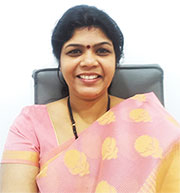
Dr. Kavitha Sundaravadanam
Senior Family Physician,
Kauvery Hospital, Alwarpet