
How to Prevent It and Spot It Early
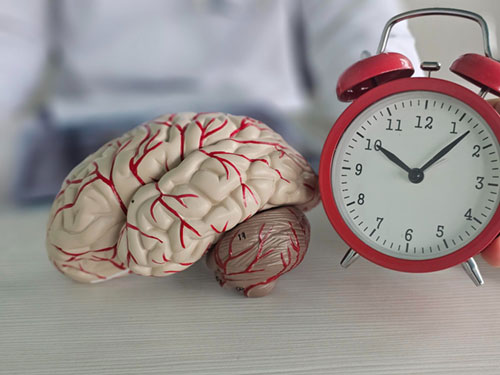
“Time is Brain.” Nowhere is this more true than in an intracranial haemorrhage, or brain bleed.
Last month, a 52-year-old teacher was brought to casualty. He had a sudden, severe headache while straining in the bathroom, followed by vomiting and slurred speech. His family thought it was acidity and stress. They gave him a painkiller and made him lie down. By the time he reached us 6 hours later, the bleed had expanded. That delay changed his outcome.
A brain haemorrhage does not announce itself with days of warning. It strikes in seconds. Knowing how to prevent it or recognise it early can save a life and prevent lifelong disability.
What Is Intracranial Haemorrhage?
It is bleeding inside the skull. Blood, where it should not be, compresses the brain. There are two main types:
-
Intracerebral Haemorrhage (ICH):
Bleeding within the brain tissue itself, usually due to high BP or weak vessels.
-
Subarachnoid Haemorrhage (SAH):
Bleeding over the surface of the brain, often from a ruptured aneurysm (a weak bubble in a blood vessel).
Both are medical emergencies. Unlike a clot stroke, where we can dissolve the clot, in a bleed, we must stop the bleeding and control pressure immediately.
How to PREVENT a Brain Haemorrhage?
90% are preventable.
Most brain bleeds do not happen by chance. They happen because of uncontrolled risk factors.
-
Control Blood Pressure: The No. 1 Cause
Hypertension is the single biggest cause of brain haemorrhage. And it is silent. Check BP monthly after age 30. The target is below 130/80 mm Hg. Take your medicines daily; do not skip them when you feel “normal”. High BP in the early morning, during exertion, or after alcohol binges is when vessels rupture.
-
Control Diabetes, Cholesterol and Weight
They damage blood vessel walls over years, making them brittle and prone to rupture.
-
Stop Tobacco, Limit Alcohol, and Say No to Drugs
Smoking doubles the risk of aneurysm rupture. Heavy alcohol binge raises BP acutely and causes bleeding. Cocaine and similar stimulants can cause a bleed in a young person within minutes.
-
Use Blood Thinners Wisely
Aspirin, Clopidogrel, Warfarin, and Apixaban are life-saving, but only on prescription. Self-medication, double dosing, or mixing with painkillers increases bleed risk. If you are on them, check INR/PT regularly and report any unusual headache or bruising.
-
Treat the Hidden Aneurysm
If you have a family history of brain aneurysm or haemorrhage, or polycystic kidney disease, talk to your neurologist about a one-time MR angiogram screening. Early detection can prevent rupture.
-
Lifestyle Is Medicine
30 minutes of brisk walking daily, low salt, high fruits and vegetables, 7 hours of sleep, and stress management. Avoid straining heavily in the toilet; treat constipation, drink water, and do not hold your breath and push hard.
How to DIAGNOSE It at the EARLIEST? Learn the RED FLAGS!
Do not wait for unconsciousness. Act on the first symptom. Remember HEADS:
H: Headache like never before. Sudden, severe, “thunderclap” headache, the worst headache of your life, peaking within seconds to a minute. Often described as being hit on the head.
E: Eyes and vision. Sudden double vision, drooping eyelid, unequal pupils, or sudden blindness in one eye.
A: Altered sensorium. Sudden confusion, drowsiness, irrelevant talk, or fainting/collapsing.
D: Dizziness, vomiting, and neck pain. Sudden vomiting without nausea, severe neck stiffness, inability to bend neck forward, and sensitivity to light.
S: Slurred speech, weakness, and seizure. Sudden weakness of one side of the face/arm/leg, slurred speech, facial droop, or a first-time seizure.
An aneurysm leak often comes with: thunderclap headache + vomiting + neck pain + loss of consciousness for a few seconds.
An ICH often comes with: headache + weakness on one side + slurred speech + high BP.
What to Do: The Golden Hour Protocol
- DO NOT IGNORE, DO NOT SLEEP OVER IT. Do not give painkillers and wait. Every minute, the bleed expands.
- DO NOT give Aspirin, Clopidogrel, food, or water. Aspirin will worsen bleeding.
- Call for emergency. Note the time of onset. Keep the head elevated 30 degrees. Do not crowd the patient.
- The only definitive test is a CT brain, within minutes. A CT scan will show bleeding immediately. Sometimes we need a CT angiography or MRI to find the cause. Do not waste time on BP checks at multiple clinics.
At the hospital, we control BP, reverse blood thinners, reduce brain pressure, and if needed, operate to remove the clot or clip/coil the aneurysm.
A Final Message for All Our K-Way Readers
We check our phone battery 20 times a day. Let us check our BP at least once a month.
Brain haemorrhage is not always destiny. It is often the result of years of neglected hypertension, stress, smoking, and missed screening.
Prevention is simple, but it must be consistent.
Diagnosis is simple, but it must be immediate.
Let us spread this message, from mobile to mobile, so that we can prevent silent damage inside our brains.
Because a brain saved in time is a life saved for a lifetime.

Dr. Kavitha Sundaravadanam
Senior Family Physician,
Kauvery Hospital, Alwarpet