
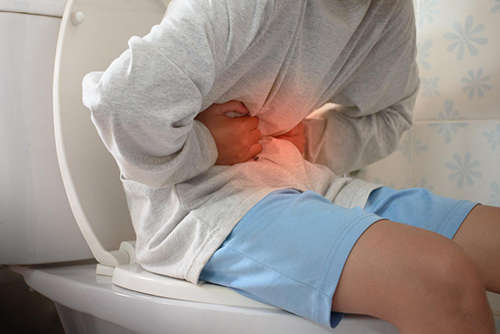
It is among the most common complaints of later life, and among the most casually dismissed. A surgeon explains why a change in bowel habit can be the body’s earliest warning, and what every family should do about it.
By Dr. Joyner Abraham
For almost a year, Mr. Raghavan, a 68-year-old retired headmaster from Chennai, dealt with his constipation the way most of us would: with patience, a glass of warm water at dawn, and a strip of laxative tablets from the corner pharmacy. “The bowels grow lazy with age,” he told his family, and everyone nodded. Nobody thought to question it.
The tablets worked, and then they worked less. His stools became thinner. He felt tired all the time, and his trousers, his daughter noticed, had begun to hang loose. When she finally brought him to my clinic, his blood tests showed anaemia, and a colonoscopy revealed a tumour in the sigmoid colon that had narrowed the bowel to little more than the width of a pencil.
The good news was that it had not spread. A robotic keyhole operation removed the affected segment, and Mr. Raghavan was home within days. What stays with me is not the surgery but the year in between: a year in which a warning was mistaken for old age.
The patient’s name and identifying details have been changed.
“Common is not the same as normal. Constipation is a symptom, never a diagnosis.”
A Common Complaint with Uncommon Consequences
Up to one in three people over 65 struggle with constipation. Ageing slows the gut, activity falls, appetite and thirst dim, and the list of daily medicines grows longer. It is understandable that families shrug it off. But left unattended, constipation does real harm.
Straining aggravates piles and anal fissures and can push the rectum out of the body (prolapse). Hard stool can pack the rectum into a blockage called faecal impaction, around which liquid stool leaks (often mistaken for diarrhoea). In the very old, constipation can bring loss of appetite, difficulty passing urine, and sudden confusion. In the worst cases, it ends in bowel obstruction, twisting of the bowel or perforation: surgical emergencies, all of them. Even short of that, chronic constipation quietly erodes comfort, sleep, mood, and independence.
What Lies Beneath
Doctors think of the causes in five groups:
- Lifestyle: Too little fibre and fluid, too little movement, and the habit of ignoring the urge to go.
- Medicines, the Hidden Culprit: Strong painkillers (opioids), iron and calcium supplements, antacids, some blood-pressure and heart tablets, diuretics, antidepressants, and medicines for Parkinson’s disease. Sometimes, a single tablet is the whole problem.
- Medical Conditions: An underactive thyroid, diabetes, imbalances of potassium or calcium, Parkinson’s disease, stroke, dementia, and spinal disorders.
- Pelvic Floor Problems: Muscles that have weakened or lost coordination and can no longer push stool out.
- Structural Blockage: Bowel cancer, large polyps, scar-like narrowing from diverticular disease, or rectal prolapse.
The first four are common and treatable. The fifth is the reason for this article.
“The bowel rarely shouts. It whispers, and in the elderly, we must learn to listen.”
The Cause We Cannot Afford to Miss
The risk of colorectal cancer climbs steadily after 50. Tumours in the lower, left-sided part of the colon and in the rectum often announce themselves not with pain but with a change in bowel habit: new constipation, narrower stools, a feeling of never quite emptying, or constipation alternating with loose motions.
Symptoms alone cannot tell a sluggish bowel from a tumour quietly growing. Only looking inside can. Here are the signs that should never be brushed aside:
5 Warning Signs
Constipation plus any of these deserves a doctor’s attention, soon.
- A New Change in Bowel Habit After 50: Constipation that appears out of the blue, or a pattern that has shifted and lasted more than a few weeks.
- Blood in the Stool: Bright red, or dark and tar-like.
- Unexplained Weight Loss or Loss of Appetite: Clothes fitting looser without any dieting.
- Tiredness, Breathlessness, or Pallor: Possible signs of anaemia from slow, hidden bleeding.
- Persistent Discomfort: Pain, bloating, vomiting, thin, pencil-like stools, and a feeling of never quite emptying.
A family history of bowel cancer raises the stakes further.
Looking Inside: Why Colonoscopy or Sigmoidoscopy Matters
A colonoscopy uses a slim, flexible camera to examine the entire large bowel. It can detect cancers early, take a tiny biopsy for diagnosis, and remove polyps (growths that can turn cancerous over time) during the same sitting. A flexible sigmoidoscopy examines only the last part of the bowel, where many tumours arise. It is shorter and needs less preparation, which may suit a frail patient, though it cannot see the upper colon. Where a colonoscopy is difficult, CT colonography is another option.
Not every older person with long-standing, uncomplicated constipation needs a scope. But anyone with a new or changing pattern, any of the warning signs above, or no previous bowel screening should be evaluated and should not be talked out of it by fear of the test.
That fear is understandable. Yet, in experienced hands, with proper bowel preparation, attention to hydration, and a review of heart conditions and blood-thinning medicines, the procedure is safe and well-tolerated, usually under sedation. Serious complications are uncommon. The greater danger is a cancer found too late.
“A colonoscopy is not a verdict. It is the only way to be sure.”
Managing Constipation: Simple Steps That Work
Once serious causes are excluded, treatment is usually gentle and stepwise:
- Review the Medicines: Ask your doctor whether any tablet could be slowing the bowel; a switch or dose change often helps.
- Fibre and Fluids: Aim for 25–30 grams of fibre a day: fruit, vegetables, whole grains, pulses, and isabgol, introduced gradually. Drink adequate water unless a heart or kidney condition restricts fluids.
- Keep Moving: Even a 20–30 minute daily walk stimulates the bowel. For those confined to the bed, regular changes of position and assisted movement help.
- Build a Routine: Sit on the toilet for 10–15 minutes after breakfast, when the gut is most active. A small footstool that raises the knees above the hips makes passing stool easier. Never ignore the urge.
- Use Laxatives Wisely: Bulk-forming and osmotic laxatives (such as polyethylene glycol or lactulose) are generally safe for regular use. Stimulant laxatives are best kept for short spells, and magnesium-based products need caution in kidney disease. Newer prescription medicines exist for stubborn cases.
- Treat Impaction and Pelvic Floor Problems: Enemas or suppositories can clear impaction under medical guidance, and biofeedback therapy retrains uncoordinated pelvic muscles.
- Surgery, When Needed: For cancer, obstruction, twisting of the bowel, or prolapse, an operation may be necessary. Today’s minimal access and robotic techniques mean smaller incisions, less pain, and quicker recovery; advantages that matter enormously in older patients.
The Last Word
For families, the message is simple. When an elderly parent or grandparent says their bowels have “changed”, listen. Ask how long, and ask about blood, weight, and appetite. Look through the medicine cabinet. And if the change is new, persistent, or comes with any warning sign, arrange an evaluation rather than another strip of laxatives.
One practical step helps every consultation: keep a simple bowel diary for two weeks. Note how often stools are passed, their form and colour, any blood, and any new medicines. It gives the doctor a clear picture in minutes, and it often reveals patterns the family had missed.
Ageing may make constipation more likely, but it should never make us more willing to accept it. A conversation today can turn a life-threatening diagnosis into a treatable one and give our elders many more comfortable, dignified years.

Dr. Joyner Abraham M
Consultant, Minimal Access & Robotic Surgical Unit,
Kauvery Hospital, Chennai