
Introduction
Cancer is often detected unexpectedly. In some individuals, it is discovered without any warning signs during routine medical check-ups, while in others, it may appear through persistent or unusual symptoms such as unexplained weight loss, fatigue, pain, or recurrent infections. When tests and medical investigations confirm the diagnosis, the news often comes as a great shock to both the patient and their family members.
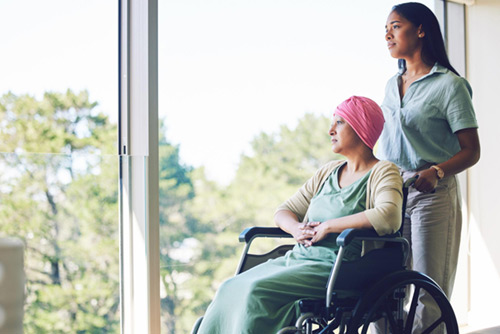
For the patient, the diagnosis brings fear, uncertainty, and the challenge of facing difficult treatments. However, the emotional impact is equally profound for the patient’s loved ones. Family members, who suddenly become caregivers, must remain strong and supportive despite their own fears and worries. While the patient endures the physical pain of the disease and treatment, the caregivers often carry the emotional burden of staying hopeful, making decisions, and providing constant support. Over time, this responsibility can lead to what is known as caregiver burnout.
This article aims to help those caregivers who need to act bravely while caring for their loved ones during cancer treatment.
What Is Caregiver Burnout?
Caregiver burnout is defined by various healthcare organisations and experts as “a state of physical, emotional, and mental exhaustion caused by the prolonged stress of caring for someone with a serious illness,” such as cancer. Caregivers often devote most of their time and energy to the patient, sometimes ignoring their own health, rest, and personal needs. Over time, this imbalance can lead to fatigue, frustration, and feelings of helplessness.
It is important to understand that caregiver burnout does not mean a caregiver is weak or uncaring. Instead, it reflects the intense and ongoing demands associated with long-term caregiving responsibilities.
Why Caregivers of Cancer Patients Are at Risk?
-
Emotional Stress
A cancer diagnosis often brings fear, uncertainty, and anxiety. Caregivers may feel emotionally overwhelmed while watching their loved ones go through treatments such as chemotherapy or radiation therapy.
-
Physical Demands
Caregivers may assist with medication schedules, hospital visits, meal preparation, and daily personal care. These tasks can be physically exhausting, especially when combined with other responsibilities such as work and household duties.
-
Financial Pressure
Cancer treatment can be expensive. Caregivers may face financial strain due to medical expenses, transportation costs, or reduced working hours.
-
Lack of Personal Time
Many caregivers sacrifice their own hobbies, social activities, and rest, while focusing on the patient’s needs. This lack of personal time can contribute significantly to stress and fatigue.
-
Social Isolation and Role Overload
Caregivers often juggle multiple roles at once—employee, parent, spouse, and caregiver—which can lead to feelings of isolation and overwhelming responsibility.
Signs and Symptoms of Caregiver Burnout
Caregiver burnout can affect both mental and physical health. Recognising the early warning signs is essential for preventing more serious problems.
Common symptoms include:
- Constant fatigue or exhaustion
- Feeling overwhelmed, helpless, or hopeless
- Irritability, frustration, or mood swings
- Difficulty sleeping or insomnia
- Loss of interest in activities once enjoyed
- Anxiety or symptoms of depression
- Frequent headaches or body aches
- Withdrawal from friends and family
- Feeling isolated or unsupported
If these symptoms persist, they may negatively affect both the caregiver’s health and the quality of care provided to the patient.
Impact on Caregivers and Patients
Caregiver burnout can have serious consequences for both caregivers and patients.
For caregivers, burnout may lead to:
- Poor physical health
- Emotional distress, anxiety, or depression
- Chronic fatigue and weakened immunity
- Reduced ability to cope with daily challenges
For patients, caregiver burnout may unintentionally affect the level of emotional support and the quality of care they receive. Therefore, maintaining caregiver well-being is essential for effective cancer care.
Strategies to Prevent and Manage Caregiver Burnout
-
Ask for Help
Caregiving should not be handled alone. Family members, friends, or community groups can help share responsibilities.
-
Take Regular Breaks
Short breaks or respite care allow caregivers to rest and recharge, helping reduce stress and fatigue.
-
Maintain Personal Health
Regular exercise, balanced nutrition, and adequate sleep help caregivers maintain physical strength and emotional resilience.
-
Seek Emotional Support
Talking with counsellors, support groups, or other caregivers can reduce feelings of isolation and provide practical coping strategies.
-
Stay Informed
Understanding the patient’s illness and treatment plan can reduce uncertainty and help caregivers feel more confident and prepared.
The Importance of Self-Care
Self-care is not selfish—it is necessary. Caregivers who take care of their own physical and emotional health are better able to support their loved ones. Activities such as meditation, reading, spending time with friends, or pursuing hobbies can help restore emotional balance and reduce stress.
When to Seek Professional Help
If a caregiver feels persistently overwhelmed, anxious, or emotionally exhausted, professional support may be necessary. Mental health professionals can provide counselling, coping strategies, and emotional guidance to help caregivers manage stress and maintain well-being.
Conclusion
Caregiver burnout is an important issue because the well-being of the caregiver directly affects the quality of care given to the patient. When caregivers neglect their own needs while prioritising the patient’s health, they may experience declining physical and mental health. Recognising and addressing caregiver burnout is therefore essential for both caregivers and patients.

Dr. A. Preethi
Consultant Medical Oncologist,
Kauvery Hospital, Chennai