
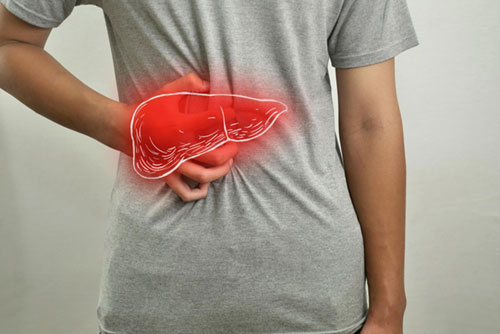
As we observe World Health Day on 7th April, let’s spotlight the impact of fatty liver disease. What starts silently can progress into something more serious if undetected. Awareness is the first step in fighting the condition.
Fatty liver has emerged as one of the most common liver disorders seen in clinical practice today, affecting individuals across age groups and lifestyles. From a hepatologist’s perspective, what is particularly concerning is that this condition often remains silent until significant damage has already occurred. Understanding its progression and the role of timely assessment tools like FibroScan is critical for early diagnosis and preventing long-term complications.
The growing burden of fatty liver disease in countries like India underscores the need for greater awareness and proactive screening. Urbanisation, dietary changes and rising rates of metabolic syndrome have significantly increased the prevalence of the condition. Many patients present late, when complications are already established, making management more complex and outcomes less favourable.
Fatty liver, also called as steatotic liver disease, refers to excess fat accumulation (more than 5%) within the liver cells. It is commonly associated with metabolic risk factors like obesity, diabetes mellitus and dyslipidemia along with a sedentary lifestyle. Other causes include alcohol intake, drugs and toxins, and genetic conditions. In the early stages, it is often a simple steatosis or simple fat accumulation, with no surrounding hepatocyte inflammation. Hence, it is often asymptomatic and detected incidentally during a routine scan. However, in a subset of patients, predominantly those in whom the underlying cause is uncorrected, fatty liver can progress to inflammation (steatohepatitis), and eventually cirrhosis or even hepatocellular carcinoma.
One of the biggest challenges in managing fatty liver disease is identifying which patients are at risk of progression. Risk factors include older age, type 2 diabetes mellitus, first-degree relatives with MASH-related liver cirrhosis, a sedentary lifestyle, overweight or obesity, metabolic syndrome, PCOS and OSA. Routine LFTs may have some limitations, as they may remain normal despite underlying damage. Ultrasound of the abdomen can detect fat but cannot reliably assess the extent of fibrosis. This is where FibroScan has transformed clinical practice.
FibroScan is a quick, non-invasive, painless diagnostic tool that measures liver stiffness and fat content using transient elastography. Unlike a liver biopsy, which is invasive and carries certain risks, FibroScan provides rapid results without discomfort and downtime. The procedure is similar to an ultrasound and typically takes only a few minutes.
FibroScan helps stratify patients based on risk and choose those requiring aggressive intervention or closer monitoring and targeted therapy. It is also a powerful tool for monitoring disease progression. Patients often find motivation in seeing measurable changes in their liver, especially when adopting healthier lifestyles such as weight loss, improved diet and physical activity, thereby improving adherence to treatment plans.
In conclusion, fatty liver disease is no longer a benign or incidental finding – it is a progressive disease with serious consequences if left untreated. As clinicians, our goal is not only to treat advanced liver disease but also to identify and intervene early, preventing irreversible damage. Increased awareness among patients will be key in addressing this silent epidemic.

Dr. Swati Raju
Senior Consultant – Medical Gastroenterology, Hepatology and Transplant Hepatology
Kauvery Hospital, Chennai