
Your Heart, Brain & Body Guide
Cardiovascular Diseases
Cardiovascular diseases (CVDs) are diseases of the heart and blood vessels which cause more deaths worldwide than any other group of diseases.
- About5 million people die every year because of heart and blood-vessel diseases.
- Out of every100 people who die worldwide, about 30 die from cardiovascular diseases.
- Of the people who die from CVD, about85% die because of either a heart attack or a stroke.
- More than 75%of cardiovascular deaths happen in countries with low or middle levels of income, rather than high-income countries.
Prevention
Most CVDs can be prevented by addressing behavioural and environmental risk factors:
- Tobacco use
- Harmful use of alcohol
- Unhealthy diet and obesity
- Air pollution
- Physical inactivity
Globally, high blood pressure is the leading risk factor for CVD.
What Is Cardiovascular Disease?
CVD is a general term for conditions that affect the heart and blood vessels. These conditions can make it harder for blood, oxygen, and nutrients to move around the body as they should. Over time, blood vessels can become narrowed, stiff, or blocked, and the heart may have to work harder than normal. This can reduce blood flow to important organs like the brain, heart, and muscles, increasing the risk of problems such as heart attack or stroke.
How Can Physiotherapists Help Prevent CVD?
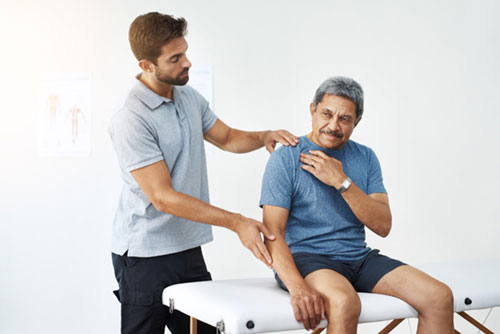
Physiotherapists are part of the healthcare team that provides patient-centred care. They can:
- Help identify people who may be at higher risk of developing heart disease, such as those with high blood pressure, diabetes, obesity, or inactive lifestyles, and assess their ability to move and exercise.
- Formulate customized exercise programs to improve fitness and lower heart disease risk and support healthy lifestyle changes such as being more active and managing weight.
- Help in early identification and intervention to prevent serious health problems and refer patients to further medical care when needed.
How Can Physiotherapists Help People Who Have CVD?
Physiotherapists can aid in the following:
- Identify an individual’s main risk factors and advise on how to make permanent healthy lifestyle changes.
- Provide tailored exercise programmes and help people overcome any fears about exercise.
- Educate people on the best ways to help prevent further heart problems.
- Improve fitness, help people stay active, and enjoy a better quality of life.
- Offer advice and support on how to self-manage the condition.
Best Exercises for Heart Health
A combination of exercises is the best choice.
- Aerobic exercise keeps the heart healthy. It makes everyday activities easier, reducing tiredness and breathlessness. It can also improve mood, support better sleep, and lower the risk of heart problems.
- Resistance training builds strength. Increased strength can make daily activities and exercises easier.
- Balance and flexibility exercises help support safe movement. Stretching helps prevent muscles from becoming tight, making movement easier and potentially reducing pain and the risk of injury. Balance exercises help maintain steadiness and reduce the risk of falls.
If you have CVD or are at risk, seek advice from a physiotherapist or health professional before starting exercise.
Stroke
One in four people are expected to have a stroke at some point during their lifetime but most strokes can be prevented by reducing the factors that increase the risk.
A stroke happens when part of the brain suddenly loses its normal blood supply, causing brain damage. A stroke is a medical emergency and needs immediate treatment.
Ischemic Stroke:
Caused by a blood clot blocking a blood vessel in the brain.
Haemorrhagic Stroke:
Caused by a blood vessel in the brain bursting and bleeding.
Transient Ischemic Attack (TIA):
A temporary blockage, sometimes called a “mini stroke”; this can be a warning sign of a future stroke.
How Can Physiotherapists Help Prevent a Stroke?
Physiotherapists help reduce the risk of stroke by helping people stay physically active and manage health problems that can increase their likelihood of stroke. Just 30 minutes of exercise five times a week can reduce the risk of stroke by 25%. Regular physical activity can reduce the risk of stroke, as well as lower the risk of having another stroke after a first stroke.
Physiotherapists can help with the following:
- Increase regular physical activity, which can lower blood pressure, improve cholesterol and blood sugar control, reduce body weight, and help manage depression and stress.
- Reduce the amount of time spent sitting and include small amounts of physical activity throughout the day.
- Recommend safe, tailored exercise for people who may have other health conditions and find it difficult to exercise.
How Can Physiotherapy Help After a Stroke?
Rehabilitation helps people recover after a stroke so that they can return to everyday activities, live a better quality of life, and become as independent as possible.
Rehabilitation usually starts within the first 48 hours, once the person is medically stable. Starting early can help recovery and confidence. Recovery from stroke will involve a healthcare team as well as physiotherapists. It may also include doctors, nurses, occupational therapists, and speech and language therapists. It is an individualized plan developed for the patient.
How Is Physiotherapy a Core Part of Stroke Rehabilitation?
After a stroke, many people experience problems with movement, balance, walking, using their arms, strength, fitness, fatigue, and independence. Physiotherapists are exercise experts and can help people who have had a stroke to:
- Improve movement and strength in arms and legs to promote independence.
- Learn how to walk again, and how to walk further and faster.
- Improve balance to minimize risk of falling.
- Improve stiffness, pain, and muscle tightness.
- Improve fitness so that the heart and lungs work more efficiently.
- Improve mood, decrease fatigue, and help fight depression.
- Practice everyday activities such as getting out of a chair, walking and talking at the same time, getting dressed, and using the arms to perform tasks such as turning keys and operating taps.
How Much Exercise?
Exercise-based physiotherapy can help people move better, improve their balance and physical abilities, and have a better quality of life throughout their recovery, from the hospital to long-term rehabilitation. A physiotherapist can help safely increase the amount of exercise to support individual goals. Starting with small amounts of activity can help build towards these recommendations:
- Moderate intensity aerobic exercise for at least 30 minutes, 4 times per week.
- Keep active throughout the day to reduce sitting time.
- A daily step target of 6,500 to 8,500 steps.
Mrs. Gayathri. R
Senior Grade Neuro Physiotherapist,
Kauvery Hospital, Chennai