
- Pneumonia is a serious lung infection that affects millions of people worldwide each year. It occurs when bacteria, viruses or fungi infect the air sacs (alveoli) in the lungs, causing them to fill with fluids or pus.
- This leads to difficulty in breathing, fever and cough. Although pneumonia can affect anyone, it is particularly dangerous for young children, elderly people and those with a weakened immune system.
- An infectious etiology is inferred but is frequently not proven microbiologically and the condition must be distinguished from other conditions that present with similar features.
- Diagnosis and management of pneumonia are challenging, especially in the growing number of individuals with multiple morbidities, immunocompromised patients or epidemiological factors favouring antimicrobial resistance.
Why Pneumonia Is Common in the Monsoon
High Humidity and Moisture:
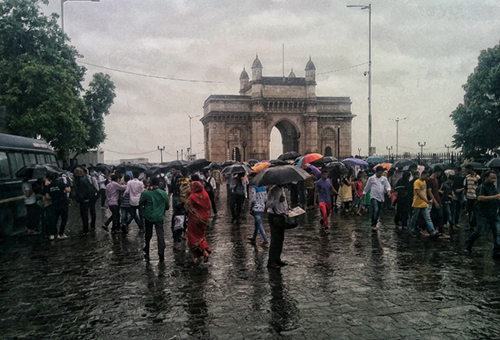
The air during monsoon is heavy with moisture, which allows bacteria, viruses and fungi to survive longer and multiply quickly. This makes respiratory infections like pneumonia more likely to spread.
Sudden Weather Changes:
The shift from hot, humid air to cool, damp conditions weakens the body’s immune response.
Poor Ventilation Indoors:
People often keep windows closed during rain, reducing air circulation. Poorly ventilated homes trap germs and make it easier for infections to spread from one person to another.
Allergic and Asthmatic Triggers:
Mold and fungal growth are common in damp homes during monsoon. Inhalation of spores irritates the airways and can trigger asthma attacks.
Poor Nutrition and Dehydration:
Many people eat less or rely on street food during the rainy season, leading to weaker nutrition and immunity. Low fluid intake also dries the mucous membrane, making the lungs more vulnerable to infection.
Neglected Cough:
Minor respiratory infections are often ignored during monsoon, but untreated infections can progress to pneumonia, especially in children and elderly individuals.
Prevention
- Get vaccinated – flu and pneumococcal vaccines help reduce the severity of the infections.
- Keep yourself warm and dry.
- Avoid getting soaked in the rain and change wet clothes immediately.
- Avoid crowded and poorly ventilated places.
- Maintain good hygiene.
- Wear a mask and isolate yourself if you are sick.
- Eat healthy and boost immunity.

Dr. Anantha Subramanian
Consultant Pulmonologist,
Kauvery Hospital, Chennai