
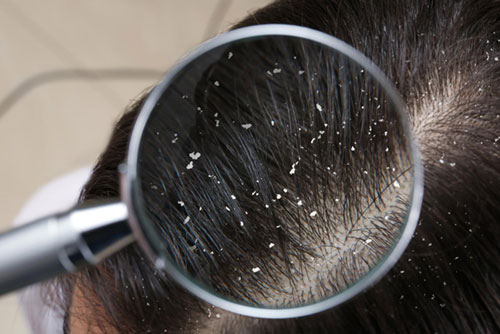
As dermatologists, one of the most common statements we hear at the hospital is:
“Doctor, I think I have dandruff.”
While dandruff is indeed common, many people are unaware that the scalp can be affected by several different skin disorders that may look similar in the beginning. Flaking, itching, redness, raised painful bumps on the scalp, scaling and hair fall are not always caused by dandruff alone.
Public awareness about scalp diseases is important because delayed diagnosis can lead to unnecessary suffering, improper treatment and in some conditions, even permanent hair loss.
Understanding the Scalp Ecosystem
Healthy scalp skin maintains a delicate balance between:
- Sebum (oil) production
- Skin barrier integrity
- Microbial flora, especially Malassezia yeast
- Immune response
- Hair follicle cycling
When this balance is disrupted, the scalp may respond with inflammation, scaling, itching, or infection. Importantly, different scalp disorders can look deceptively similar, which is why self-diagnosis often leads to prolonged discomfort and inappropriate treatment.
Seborrheic Capitis (Dandruff)
“Dandruff” is the lay term commonly used for mild seborrheic dermatitis confined to the scalp. Dermatologists may refer to it as “seborrheic capitis” when discussing scalp-predominant disease.
What Causes Dandruff?
Dandruff is driven by three major factors:
- Excess sebum production
- Overgrowth of Malassezia yeast
- Individual inflammatory sensitivity
This leads to accelerated skin turnover and visible flakes.
Clinical Features
Typical findings include:
- White or yellowish flakes
- Mild scalp itching
- Greasy scaling
- Minimal inflammation
- Symptoms that worsen in winter, during periods of stress, or with irregular hair washing
Contrary to popular belief, dandruff is not caused by poor hygiene alone.
Dandruff is generally mild and manageable, but recurrent or resistant scaling often indicates a more complex condition such as seborrheic dermatitis, psoriasis, fungal infection, or eczema.
Seborrheic Dermatitis
Seborrheic dermatitis represents the inflammatory end of the dandruff spectrum.
How It Differs from Simple Dandruff?
Unlike basic dandruff, seborrheic dermatitis causes:
- Redness
- Inflamed patches
- Greasy yellow scales
- Intense itching
- Involvement beyond the scalp
Commonly affected areas include:
- Eyebrows
- Nasolabial folds
- Beard area
- Behind the ears
- Chest
Why It Happens?
The condition is associated with:
- Increased sebaceous activity
- Immune reaction to Malassezia
- Genetic predisposition
- Neurological disease
- Stress and sleep disturbance
Treatment Approach
- Antifungal shampoos
- Anti-inflammatory lotions
- Keratolytic agents
- Barrier repair strategies
Sebopsoriasis
Sebopsoriasis is an overlap disorder that combines features of seborrheic dermatitis and psoriasis.
Clinical Clues
Patients often present with:
- Thick, greasy scales
- Sharply defined plaques
- Persistent scalp redness
- Scaling around hairline and ears
- More resistant disease than dandruff
Why Diagnosis Matters?
Sebopsoriasis often requires stronger anti-inflammatory treatment than ordinary dandruff. Patients may cycle through multiple “anti-dandruff” shampoos without improvement because the underlying inflammatory process is psoriatic rather than fungal alone.
Scalp Psoriasis
Scalp psoriasis is one of the most common manifestations of psoriasis and can range from mild scaling to severe plaque disease.
Hallmark Features
- Thick silvery scales
- Well-demarcated plaques
- Extension beyond the hairline
- Occipital scalp involvement
- Bleeding points after scale removal
- Nail pitting or body psoriasis
Unlike dandruff, scalp psoriasis reflects an immune-mediated systemic inflammatory disorder.
Common Misconceptions
Many patients assume psoriasis is simply “severe dandruff”. However:
- Psoriasis can coexist with arthritis
- It often requires prescription therapy
- Chronic inflammation may impact quality of life significantly
Treatment Options
Depending on severity:
- Medicated shampoos
- Topical corticosteroids
- Vitamin D analogues
- Calcineurin inhibitors
- Phototherapy
- Biologic medications in severe disease
Scalp Folliculitis
Not all itchy scalps are flaky. Some are follicular.
Folliculitis refers to inflammation of hair follicles, often presenting with:
- Small pustules
- Tender bumps
- Scalp pain
- Burning sensation
- Crusting
Causes
Scalp folliculitis may result from:
- Bacterial infection
- Yeast overgrowth
- Occlusion from oils or styling products
- Sweating
- Mechanical irritation
- Immune dysregulation
Why It Is Often Missed?
Patients frequently mistake folliculitis for acne, dandruff, or “heat boils”. Yet, untreated inflammation may occasionally contribute to hair thinning or scarring.
Management
Treatment depends on the cause and may include:
- Antibacterial washes
- Topical antibiotics
- Oral medications
- Anti-inflammatory therapy
- Scalp hygiene modification
Fungal Infections of the Scalp
Tinea Capitis
Tinea capitis is a dermatophyte fungal infection affecting the scalp and hair shafts.
Key Features
- Patchy hair loss
- Scaling
- Black dots
- Broken hairs
- Inflamed, boggy lesions (kerion)
- Enlarged lymph nodes in severe cases
It is more common in children but may occur in adults.
Why Early Diagnosis Matters?
Unlike dandruff, fungal infections can spread and sometimes lead to permanent hair loss if severe inflammation is left untreated.
Oral antifungal therapy is usually required; shampoos alone are insufficient.
Contact Dermatitis of the Scalp
Contact Dermatitis
Hair dyes, fragrances, oils, shampoos, and cosmetic treatments can trigger allergic or irritant reactions.
Symptoms
- Burning
- Redness
- Sudden itching
- Flaking
- Swelling
- Hairline rash
Para-phenylenediamine (PPD) in hair dyes is a well-known culprit.
Important Distinction
Many people repeatedly switch anti-dandruff shampoos without realizing the scalp is reacting to the products themselves.
Patch testing may be needed in chronic cases.
Scalp Eczema in Atopic Dermatitis
Atopic Dermatitis
Patients with eczema may develop scalp involvement characterized by:
- Dry flaky scaling
- Intense itching
- Sensitive skin barrier
- Secondary infection from scratching
Unlike seborrheic dermatitis, scales are often drier and associated with a broader history of allergies, asthma, or childhood eczema.
Scarring Scalp Disorders: The Conditions That Should Not Be Missed
Some scalp diseases are inflammatory enough to permanently destroy hair follicles.
These include:
- Lichen planopilaris
- Discoid lupus erythematosus
- Central centrifugal cicatricial alopecia
- Folliculitis decalvans
Warning Signs
- Pain rather than itch alone
- Burning scalp
- Rapid hair thinning
- Smooth shiny bald patches
- Pustules with hair loss
- Loss of follicular openings
Early intervention is critical because scarred follicles cannot regenerate.
Why Self-Diagnosis Often Fails?
Many scalp diseases share overlapping symptoms:
Symptom |
Possible Conditions |
| Flakes | Dandruff, psoriasis, eczema, fungal infection |
| Itching | Seborrheic dermatitis, allergy, and folliculitis |
| Redness | Psoriasis, dermatitis, infection |
| Hair shedding | Inflammation, fungal infection, psoriasis |
| Pustules | Folliculitis, bacterial infection |
A patient treating psoriasis with cosmetic anti-dandruff shampoos may see little improvement, while someone with a fungal infection may unknowingly worsen the condition using topical steroids alone.
Final Message
The scalp is an extension of the skin and can be affected by a wide variety of dermatological conditions. Dandruff is only one among the many scalp disorders seen in clinical practice.
As dermatologists, our message to the public is simple:
Do not ignore persistent scalp symptoms, and do not assume every flaky scalp is “just dandruff”.

Dr. V. Madhumitha
Associate Consultant Dermatologist
Kauvery Hospital, Chennai