

The eyes, being one of the most important parts of the human body, demand proper care to maintain healthy vision for many years. Some of the preventable eye conditions include:
- Lid infections
- Ocular surface infections
- Dry eye syndrome
- Refractive errors
- Vitamin A deficiency and its consequences
Lid Infections
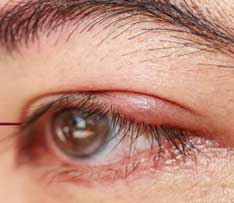
Eyelids act in the same way a lens cover does for a camera lens. It has multiple functions like:
- Protecting the eyes from dust/foreign bodies
- Protection and secretion of tears
- Spreading of tears over the cornea (transparent part of the eye)
Lid infections mostly occur due to dry eyes and defective hygiene, like frequent rubbing/squeezing of eyes, leading to hordeolum externum, hordeolum internum, chalazion (lid swellings) and lid edema.
Ocular Surface Infections:
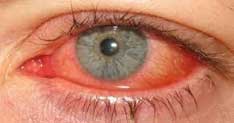
These include papillary conjunctivitis due to allergies, follicular conjunctivitis due to bacterial and viral infections, and keratoconjunctivitis when it involves the cornea. When the cornea is involved, it is usually associated with vision damage. The presentation is usually as follows:
- Red eyes
- Watering of eyes
- Gritty sensation/irritation of eyes
- Frequent/repetitive urge to rub the eyes
- Discharge from eyes (usually early morning when you wake up)
- Membrane formation
- Blurred vision
- Eye pain
- Headache Dry Eye Syndrome
Dry Eye Syndrome
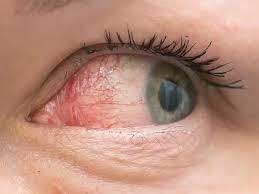
Computers and phones, being an inevitable part of today’s life, are the main reasons for dry eyes. Prolonged and frequent use of computer screens leads to dry eyes, which in turn leads to exaggerated allergic response and infections.
Refractive Errors
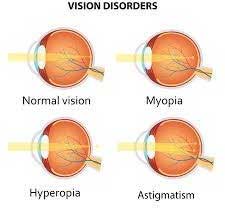
Refractive errors are the most common cause of blurred vision in the growing ages.
Very rarely, refractive errors can be congenital (continental? Seriously?), but frequently it is acquired. Most of the children with refractive errors do not complain of blurred vision unless and otherwise the error is significant and crippling. Refractive errors are mostly brought to the parents’ attention through school teachers or school health checkups and rarely by parents themselves when they notice children squeezing their eyes for clear vision or sitting close to the TV for a clear image.
Vitamin A Deficiency
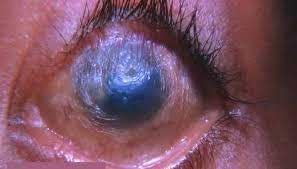
Vitamin A deficiency, though rare, is mostly associated with malnourishment, like marasmus and kwashiorkor. It usually presents as night blindness (nyctalopia), corneal and conjunctival dryness (xerosis)/corneal scarring, blurred vision, decreased colour saturation in dim lighting, etc.
Prevention
The above said eye conditions can be prevented by following strict hygiene practices.
- Frequent face wash and hand wash, especially for children once they get back home from school or after playing.
- Deliberate washing of eyes (splashing water inside eyes) is to be avoided since it washes away the tear film coating and introduces tap water contaminants inside.
- Frequent allergic conjunctivitis can be minimised by identifying through a dermosensitivity test and decreasing the exposure to particular.
- Restricted use of computer screens increases the blink rate thereby minimising dry eyes and hence consequent If screen use is inevitable, frequent breaks from the screen are advised. The 20-20-20 rule is to be adhered to. Every 20 minutes take a 20-second break from the screen and blink 20 times.
- Refractive errors can be picked up early and corrected by frequent eye examinations (yearly examinations) and corrective glasses.
- Vitamin A deficiency is usually corrected with restoration of normal If there is acute vitamin A deficiency with corneal scarring, it has to be treated immediately with 2 lakh IU of vitamin A. Prevention is usually done by frequent intake of beta-carotene-rich foods like carrots/vegetables/greens. Frequent ophthalmologist follow-up is always advised.

Dr. Sudha Bhuvaneshwari
Associate Consultant in Ophthalmology
Kauvery Hospital, Chennai