
-
The Glazed-Eye Epidemic

-
The New Reality:
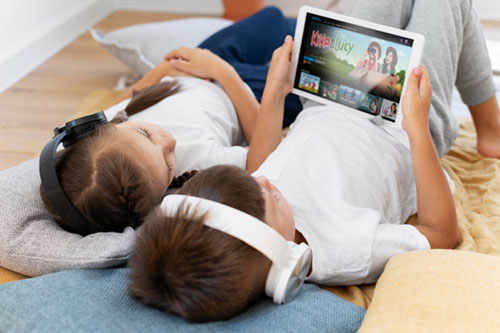
Quiet homes no longer mean kids are sleeping; it usually means they are glued to a glowing display.
-
The Dopamine Loop:
Digital apps are designed like virtual slot machines, triggering constant dopamine hits that make it hard for kids to log off.
-
Connection vs. Consumption:
Technology is a wonderful tool for learning, but passive scrolling turns it into an invisible, addictive habit.
-
-
The Global and Indian Reality Check
-
The Global Boom:
Close to 54% of parents globally believe their children are genuinely addicted to screens.
-
The Pandemic Hangover:
Post-pandemic data reveals a massive surge in youth screen usage, with over half of children watching platforms like YouTube daily.
-
The Indian Context:
The Indian Academy of Paediatrics (IAP) reports that very early exposure and excessive screen use (>1-2 hours a day) are now widespread across Indian households.
-
The Handheld Shift:
Traditional TV viewing has taken a backseat in India as portable, high-speed smartphones and tablets become the primary devices for young children.
-
-
What Excess Screens Do to Young Minds and Bodies
-
Brain & Sleep Disruption:
The blue light emitted by screens suppresses melatonin, delaying sleep and lowering the overall quality of rest.
-
Physical Toll:
Extended sitting leads to a higher risk of childhood obesity, early-onset near-sightedness (myopia), and poor posture.
-
Emotional Rollercoaster
: Heavy screen use is linked to shorter attention spans, lower frustration tolerance, and symptoms of anxiety or hyperactivity.
-
Social Stunting:
Excessive device time delays language development and reduces the real-world interactions necessary to build empathy and social skills.
-
-
The Official Safe Limits (IAP and AAP Guidelines)
-
Under 2 Years Old:
Zero screen time allowed.
-
2 to 5 Years Old:
A maximum of 1 hour per day of high-quality, supervised educational programming.
-
5 to 10 Years Old:
Less than 2 hours per day, ensuring it never replaces physical activity or sleep.
The Shift to Quality: The American Academy of Paediatrics (AAP) guidelines emphasize the “5 C’s” framework (child, content, context, co-viewing, and crowding out) to focus on what kids watch and who they watch it with, rather than just counting minutes.
-
-
Reclaiming Real Life
-
Parent Action Plan (Practice Co-Viewing):
Watch or play alongside your kids to turn screen time into an active, collaborative learning experience.
-
Ditch the Digital Pacifier:
Avoid using phones or tablets to calm tantrums, manage meltdowns, or keep kids quiet during meals.
-
Enforce the 20-20-20 Rule:
To protect your child’s eyesight, teach them to look 20 feet away for 20 seconds after every 20 minutes of viewing.
-
Designate Tech-Free Zones:
Ban all screens from dining tables and completely remove devices from bedrooms at least one hour before bedtime.
-
Model the Behaviour:
Kids copy what they see; establish “family unplugged hours” where parents put away their own phones to engage in outdoor play, board games, or reading.
-
-
The Ultimate Log-Off
In today’s digital world, every device arrives with a user manual; children do not. Parenting in the age of screens is a journey of constant learning, patience, and adaptation.
The objective is not to raise children who reject technology, but to nurture individuals who can use it wisely while still valuing the richness of the real world. Screens should enhance life, not replace meaningful experiences, relationships, and personal growth.
At the same time, the growing distance created by excessive screen use cannot be ignored. If most conversations happen through notifications rather than eye contact, it may be time to restore balance and reconnect as a family.
Because in the years ahead, children are unlikely to treasure memories of endless scrolling or fleeting online trends. What will truly remain are the moments spent together: sharing laughter, conversations, and experiences beyond the screen. After all, the most meaningful connection a child can have is not with technology, but with the people who are present in their lives!

Dr Pushkala M.S
Senior Consultant Paediatrician
Kauvery Hospital, Chennai