
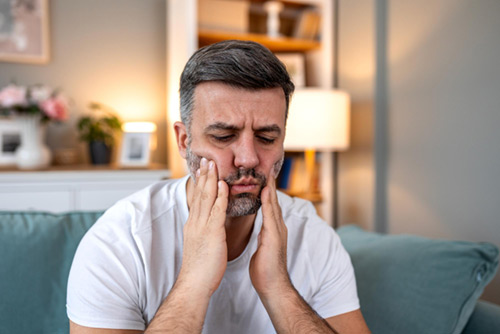
Could Your Jaw Pain Be a Warning Sign for Your Heart?
When most people think of a heart attack, they picture crushing chest pain. However, up to 1 in 5 heart attack patients experience pain in unusual places, most commonly the jaw, neck, throat, or upper back, without feeling heavy pressure in the chest.
Because the pain feels like a bad toothache or a sore throat, many people visit an ear, nose, and throat (ENT) specialist or a dentist first. Knowing the warning signs can save valuable time during a cardiac emergency.
Why Does a Heart Attack Cause Jaw Pain?
The heart and the lower jaw share common nerve pathways leading back to the spinal cord. When the heart muscle is short on oxygen, your brain can confuse where the pain signal is coming from, interpreting heart distress as discomfort in your lower jaw, teeth, or neck. This is known as referred pain.
Who Is Most at Risk for Unusual Symptoms?
Women: Nearly twice as likely as men to report jaw pain during a heart attack (roughly 9% of female patients vs. 5% of male patients).
People with Diabetes: High blood sugar can alter nerve sensitivity, making chest pain less noticeable while atypical symptoms like jaw ache dominate.
Seniors: Older adults are significantly more likely to experience “silent” heart attacks with subtle, unusual symptoms.
How to Spot the Difference
Feature
Heart-Related Jaw Pain:
Deep ache or dull pressure that worsens with walking; unexplained sweating, shortness of breath, nausea, light-headedness, or fatigue.
Dental, ENT, or Joint (TMJ) Pain: Sharp, throbbing, or localized pain that worsens with chewing, touching a specific tooth, or temperature changes in food, accompanied by local swelling, gum tenderness, sore throat, or fever.
What to Do If You’re Unsure
Never wait to see if jaw pain passes. If your jaw or neck aches suddenly, especially during physical activity or accompanied by cold sweats or shortness of breath, seek emergency medical evaluation immediately.
Call Emergency Services (044 4000 6000): Do not wait for a scheduled dental/ENT appointment.
“The heart is a master of disguise; it often screams in the jaw when it’s suffering in the chest.”

Dr. Vidya Saketharaman
Consultant Emergency Physician
Kauvery Hospital, Chennai