
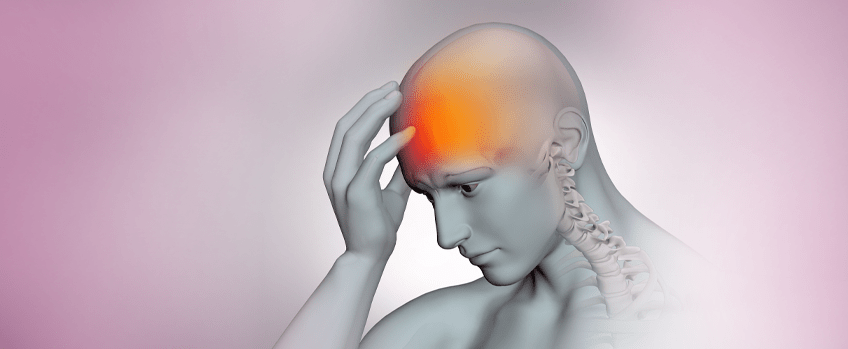
What is a Head Injury?
Head injury is a term we use to describe any type of injury to the scalp, skull or brain. It can vary in severity and can be classified as mild, moderate or severe.
India reports over a lakh of fatalities annually due to head injuries, a majority of them sustained in road traffic accidents. Prompt treatment, within the golden hour (the first hour following the trauma), is key to saving lives.
At Kauvery, we understand that every second counts. Our neurology and neurosurgery department works round-the-clock to ensure proficient management of head injuries. A dedicated team of experienced and skilled specialists, equipped with state-of-the-art equipment and technology, ensures the best outcomes for patients.
What Are the Common Causes of Head Injuries?
Any kind of strong force or impact has the potential to inflict a head injury. The common causes are given below:
- Accidents at the Home or Workplace: This includes slipping, tripping, and being hit by falling objects.
- Falls: This is a common cause of head injury, especially among older adults and young children. The fall could happen from the bed, stairs, or ladder.
- Sporting Injuries: High-impact sports like football, hockey, soccer, basketball, etc. could cause head injuries. Typically, young adults present more often with head injuries from sporting activities.
- Road Traffic Accidents: Vehicle crashes that involve pedestrians, cycles, motorcycles, cars and heavy vehicles are a primary cause of head injuries.
- Violence: Physical assault, domestic abuse and shaken baby syndrome (violently shaking infants) can result in head injuries.
- Explosions: This applies more to the armed forces who could be subjected to sudden blasts. The resulting pressure wave passing through the brain can injure it. Head injury could also be caused by shrapnel or debris from the blast.
Common Types of Head Injuries and Their Effects
Head injuries are of many types. Given below are the most common types of head injuries.
- Hematoma: A hematoma refers to localized blood collection anywhere in the body. With regards to the brain, a hematoma can happen in the brain tissue or under the skull. It is a serious condition as it could result in pressure build-up in the brain. Usually, injuries to blood vessels result in hematoma. Pain, bruising and swelling are common symptoms.
- Hemorrhage: Also known as a brain bleed, brain hemorrhage refers to bleeding that can either be within the brain tissue or between the skull and the brain tissue. This condition requires immediate medical attention. Brain bleeds can impair brain oxygen supply causing headaches, nausea/vomiting, or facial paralysis.
- Concussion: This is usually a mild brain injury that is sustained due to some form of impact. However, they too need prompt medical evaluation to ensure there are no complications. Falls are the most common cause of concussion. Concussions can result in headaches, loss of balance, mood and sleep issues, etc. Rarely, they cause loss of consciousness. The effects of concussion are short-lived in most cases.
- Edema: Cerebral edema or brain swelling is a serious condition in which the brain swells up due to fluid accumulation. This causes the intracranial pressure to increase, which in turn can damage important brain parts and blood vessels. Cerebral edema can be caused by falls, infections or inflammatory conditions. Visual disturbances, headache and nausea are the commonly reported symptoms of cerebral edema.
- Skull Fracture: The brain is protected by a bone called the skull. A break in this skull is called a skull fracture. Falls, accidents, sporting injuries, etc. can result in a skull fracture. Changes in skin colour (at the site of injury), bruising, swelling, CSF leak from the nose, etc. are all signs of a fractured skull.
- Diffuse Axonal Injury (DAI): This injury occurs when the brain accelerates and then decelerates within the skull due to any kind of strong impact. This sudden movement damages the axons in the brain. DAI is unfortunately very common and highly damaging. The symptoms vary depending on the brain part that has been injured. However, loss of consciousness is the main symptom.
What Symptoms Can Indicate a Mild, Moderate or Severe Head Injury?
The symptoms of head injuries vary greatly, encompassing both physical and psychological effects. Some symptoms appear immediately while others may manifest after days or weeks.
Symptoms of Mild Head Injuries
- Headache
- Dizziness
- Nausea/Vomiting
- Weakness
- Slurred speech
- Light and sound sensitivity
- Blurred sight
- Changes in taste and smell
- Ringing sound in the ears
- A state of confusion
- Loss in consciousness
- Memory or focusing issues
- Problems with sleep
Symptoms of Moderate and Severe Head Injuries
In addition to the symptoms mentioned above, people with moderate to severe head injuries might also experience the following:
- Loss in consciousness from minutes to hours
- Persistent or worsening headache
- Repetitive episodes of vomiting
- Seizures
- Dilated pupils
- Clear discharge from the nose
- Loss of sensation in fingers/toes
- Unsteady gait
- Severe confusion
- Agitated or aggressive behaviour
- Coma
What Tests Are Used to Diagnose a Head Injury?
Your doctor will start with a physical examination and a detailed medical history. The following diagnostic tests may be required:
- Blood tests
- X-ray
- CT scan
- Electroencephalograph or EEG
- MRI
What Treatment Options Are Available for Head Injuries?
Treatment varies depending on the type of injury sustained. The focus of any head injury treatment will be on preventing bleeding and an increase in intracranial pressure. This is key to preventing complications.
- For mild injuries, rest will suffice. Patients should refrain from any kind of demanding work as headache, nausea and other symptoms are common during the recovery period. Usually, NSAIDs are avoided as they raise the risk of bleeding.
- For moderate to severe injuries, surgery may be required to address the damage and control bleeding and pressure. Your doctor will explain the procedure including how long recovery will take. He will also address any doubts you may have.
An expert team of neurologists and neurosurgeons carefully manages every phase of head injury care, helping patients achieve safer and stronger recovery results.
What Is the Recovery Timeline and Rehabilitation Process for Head Injuries?
Minor Injuries
In case of minor injury, the recovery usually takes somewhere between a week to 3 months. Adults over 40 may take a longer time to recover. It is important to not rush things. It would be ideal to rest out the first week and then start activities gradually from the second week. However, if symptoms increase, it means you are pushing yourself too hard. Relax and give your brain time to heal.
Moderate to Severe Injuries
It is difficult to give a timeline for recovery for moderate/severe injuries as it differs from patient to patient. However, these patients typically require rehabilitation after the injury to help them get back to their lives. They may need to reacquire certain skills and develop memory strategies to help with daily life as they might be suffering from memory loss.
Rehabilitation will aim to restore quality of life and reduce the chances of developing disabilities.
How Can You Prevent Head Injuries in Daily Life?
The importance of prevention cannot be stressed enough. Head injuries are a leading cause of death in India and can leave lasting effects even with treatment. It is imperative that we follow certain safety tips to prevent them.
- Wear a helmet while riding a motorcycle or cycle
- Wear appropriate head gear while playing contact sports
- Do not drive under the effect of alcohol
- Take measures to prevent falls
- Assess your house for falls risk
- Practice balance exercises to improve stability
- Get vision checked
- Review medications that might cause dizziness
- If you have children in the house, make sure your balconies have guards and install safety gates at the top and bottom of stairs